US Trade Representative Greer on 15% Tariff, USMCA, EU Trade Deal
Speakers
Jamieson Greer
— US Trade Representative
Summary
- The Biden-Harris administration is transitioning from a temporary 10% baseline tariff to a more permanent, legally durable 15% tariff rate "where appropriate" via a new supplemental proclamation.
- The administration is aggressively utilizing Section 301 investigations to target specific unfair trading practices (forced labor, industrial overcapacity, subsidies) in China, Vietnam, Southeast Asia, and potentially Europe.
- A major review of the USMCA is underway, with specific friction points identified: Mexican discrimination against US energy firms, Canadian restrictions on US dairy/alcohol, and "transshipment" of Chinese goods through both countries to evade US duties.
- The explicit metric for success is not just trade deficit reduction, but the increase in US manufacturing capacity and real wages, with the administration citing recent capex commitments from major industrials as proof of concept.
Ideas
"We can actually conduct these investigations under Section 301... China certainly, but also other countries, Vietnam, Southeast Asia... impose a tariff as enforcement... related to forced labor in supply chains, industrial, excessive capacity." The administration is moving from broad tariffs to targeted "Section 301" investigations. Vietnam and Southeast Asia, often seen as beneficiaries of the "China Plus One" strategy, are now explicitly in the crosshairs for transshipment and labor practices. This introduces significant regulatory risk for manufacturers in these regions exporting to the US. Avoid or Short export-dependent economies in SE Asia that have recently surged in US trade volume. Diplomatic resolutions could mitigate tariff threats; these markets may pivot successfully to non-US consumers.
"We're seeing things like GE has announced, you know, another $3 billion worth of investment, 1000 jobs across five states... We're seeing it in the data and we're seeing it in the actual, you know, expansion of manufacturing in America." Greer uses General Electric as the poster child for the administration's industrial policy success. When a government official explicitly names a company as the standard-bearer for their economic agenda, it implies continued political support and favorable treatment for that entity's domestic industrial projects. Long US Industrials that are onshoring capacity. Execution risk on large-scale capital projects; potential global economic slowdown reducing demand for industrial equipment.
Jamieson Greer
US Trade Representative
"We're already seeing Stellantis, GM and others announce new lines and using up excess open capacity in the United States to make more cars here. So we're already seeing a good effect from the president's trade policies." The Trade Representative explicitly validates these specific companies for aligning with the administration's "reshoring" goals. By cracking down on auto imports from Mexico (which he identifies as a "big problem"), the administration is creating a protected regulatory moat for automakers that shift production domestically. Regulatory tailwinds favor legacy US automakers increasing domestic capex over importers. Retaliatory tariffs from trade partners could hurt global sales; higher labor costs in the US could compress margins despite tariff protection.
Up Next


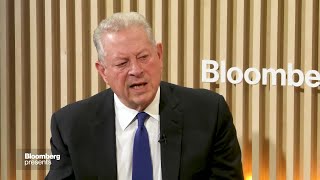


This Bloomberg Markets video, published February 25, 2026, features Jamieson Greer discussing VNM, FXI, GE, GM, STLA. 3 trade ideas extracted by AI with direction and confidence scoring.