The Perfect Price of Oil | Animal Spirits 456
Speakers
Michael Batnick
— Managing Partner, Ritholtz Wealth Management
Ben Carlson
— Director of Institutional Asset Management, Ritholtz Wealth Management
Summary
- Oil prices are striking for how low they are given Middle East tensions, with analysis suggesting supply/demand should push them much higher, yet the market appears complacent. The "perfect price" for oil is framed as $78/barrel, balancing producer profit with consumer pain.
- Market leadership is narrow, with only Energy, Materials, and Industrials making 52-week highs, while Financials (notably Capital One and Ally) are breaking down, acting as a concerning economic signal.
- Energy stocks have dramatically outperformed since the COVID lows (up over 500% vs. Tech), yet the sector remains a tiny (~3.7%) part of the S&P 500, raising questions about portfolio manager career risk and allocation.
- The AI investment theme is debated: it is not seen as a bubble due to immense, undersupplied demand for compute, but productivity gains are not yet visible in macroeconomic data. Rollout will be messy for businesses.
- Private credit faces a structural dilemma, with significant redemptions (e.g., Cliffwater fund at 14%) creating an asset-liability mismatch. Underlying portfolios, heavily exposed to SaaS loans, are likely overvalued, but high-yield spreads have not yet blown out in sympathy.
- Bitcoin's continued resilience ("every time it doesn't die") is cited as its own bullish thesis, with the asset bouncing back above $75k.
- Housing affordability has improved to a 4-year best level not through price declines, but via wage growth outpacing stagnant home prices, challenging the crash narrative.
- Retail trader enthusiasm has pivoted to oil futures, with trading volumes surging (e.g., +700% month-over-month), likened to a new "meme stock" dynamic.
- There is no retirement crisis per recent analysis; the median net worth of Americans 60+ has more than doubled on an inflation-adjusted basis since 1989, suggesting the shift to defined contribution plans has worked.
- Geopolitical event analysis shows markets tend to recover within a year, a lesson that may now be ingrained, contributing to current complacency.
Ideas
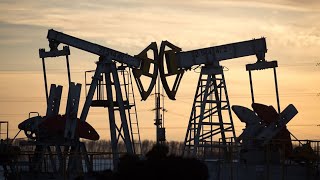
The speaker discusses the "perfect price" of oil ($78) that balances producer and consumer interests, highlights why current prices are surprisingly low given supply risks, and notes energy stocks are among the few sectors making 52-week highs. If the market is underestimating supply constraints from geopolitical events and demand remains steady, oil prices could spike, directly benefiting energy producers and their stocks. The sector warrants close monitoring (WATCH) due to high volatility, compelling risk/reward, and its potential to disrupt broader market stability if prices surge. A rapid de-escalation in the Middle East or a sharp global economic slowdown could collapse oil prices and energy stock valuations.
The speaker states, "My only thesis continues to be for crypto that every time it doesn't die, that's the best thing that happens to it." Bitcoin is noted as being back above $75,000. Repeated survival through cycles builds resilience, legitimacy, and adoption, creating a positive feedback loop for the asset. The asset is worth monitoring (WATCH) as its continued existence and recovery from setbacks reinforce its long-term viability and potential for appreciation. A catastrophic regulatory crackdown, major security failure, or loss of core utility could break the cycle of resilience.
The speaker highlights significant redemptions in private credit funds (e.g., 14%), the asset-liability mismatch, overvaluation of underlying SaaS-heavy portfolios, and the "stuck" position of financial advisors caught between clients and bad headlines. Forced selling and gating to meet redemptions can trigger a negative feedback loop, damaging fund structures and investor confidence in the broader private credit and alternative investment space within Finance. The segment (particularly private credit and related advisory services) is unattractive and risky to be involved with (AVOID) until the redemption wave and underlying credit cycle play out. A swift economic recovery or successful loan restructurings could stabilize private credit funds, making the current panic overblown.
Up Next


This The Compound News video, published March 18, 2026, features Michael Batnick, Ben Carlson discussing XLE, BTC, XLF. 3 trade ideas extracted by AI with direction and confidence scoring.
Speakers: Michael Batnick, Ben Carlson · Tickers: XLE, BTC, XLF