Wall Street wants the Iran war to end, but it's also the reason why it isn’t ending: Amos Hochstein
Speakers
Amos Hochstein
— Senior Advisor to the President for Energy and Investment
Summary
Amos Hochstein discusses the Iran conflict and Strait of Hormuz, arguing that Wall Street's belief in an imminent deal keeps oil prices artificially low despite tightening fundamentals. He warns that U.S. gasoline inventories are drawing down to a critical point by mid-June, which could shift leverage to Iran and cause oil prices to spike.
- Hochstein says negotiations only cover opening the Strait of Hormuz, not the nuclear issue.
- He believes Iran will control the Strait for the foreseeable future regardless of any deal.
- He notes Wall Street's optimism about a deal has depressed oil prices despite inventory draws.
- U.S. gasoline inventories are already 5% below the five-year average and continuing to draw.
- He predicts a supply cliff by mid-to-late June.
- He puts the probability of a comprehensive deal well below 10%.
- The likeliest outcome is something similar to the JCPOA.
Ideas
Oil poised to rise on inventory cliff.
Oil prices are artificially low because Wall Street believes an Iran deal is imminent, but U.S. gasoline inventories are drawing down to critical levels (already 5% below 5-year average) and will hit a cliff by mid-to-late June, after which the leverage shifts to Iran. This inventory buffer is finite, and prices should rise as the reality of tightening supply sets in.
Up Next



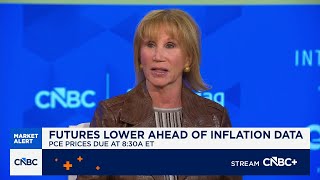

This CNBC video, published May 28, 2026, features Amos Hochstein discussing WTI. 1 trade idea extracted by AI with direction and confidence scoring.
Speakers: Amos Hochstein · Tickers: WTI