Bloomberg This Weekend | Trade War Escalates, Pushback on Beef Plan, Bond Market Intervention

Watch on YouTube ↗  |  August 22, 2026 at 16:05  |  2:25:27  |  Bloomberg Markets
Speakers
Jonathan Levin — Columnist, Bloomberg Opinion
Barry Ritholtz — Founder & Chairman, Ritholtz Wealth Management
Jeff Mason — White House Correspondent
Luz — Reporter, Bloomberg News
Michael Bilello — President & CEO, American Whiskey Association
Kim Ghattas — Contributing Editor, Financial Times; Author
Nathan Grawe — Professor of Economics, Carleton College

Summary

Bloomberg This Weekend covers the collapse of last-minute U.S.-Canada trade talks and new 50% tariffs, Bessent's Treasury bond buybacks, the U.S. beef import proposal, Iran sanctions, and the narrowing U.S.-China AI gap. Guests discuss inflation and long-end Treasury yields, AI data-center debt risks, and commodity and sector impacts from policy moves.

  • U.S.-Canada trade talks collapsed overnight; 50% tariffs on $20 billion of Canadian goods take effect with Canada vowing dollar-for-dollar retaliation.
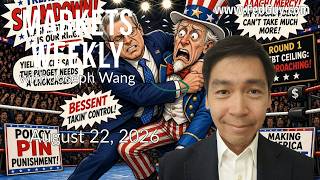
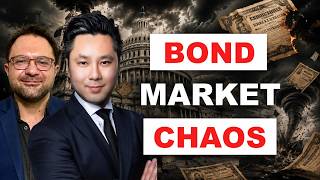
  • Treasury Secretary Scott Bessent's bond buybacks are widely viewed as too small to control long-term Treasury yields.
  • President Trump's plan to allow tariff-free beef imports at 25% below market prices faces rancher and Republican pushback.
  • Iran's promised economic D-Day and expanded sanctions are discussed with regional financing routes in focus.
  • Chinese AI models are narrowing the U.S. lead and have surpassed U.S. model usage on one major platform.
  • AI data-center financing is flagged as risky due to possible overbuild and Moore's Law dynamics.
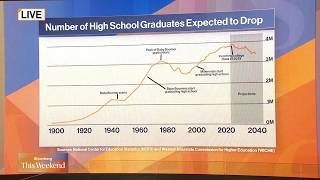
  • Other segments include Supreme Court construction actions, North Korea's sanctioned economic boom, and demographic pressures on U.S. higher education.
Ideas
Jonathan Levin Columnist, Bloomberg Opinion 9:55
Buybacks won't lower long-term Treasury yields.
Treasury Secretary Bessent's bond-market intervention is politically motivated and too small to move the $30 trillion Treasury market. The administration's tariffs, geopolitical entanglements, and repeated gimmicks are adding upward pressure on inflation and long-end yields; without these interventions, inflation would likely be in the low 2s and long-end Treasury yields substantially lower.
Luz Reporter, Bloomberg News 34:29
Chinese AI models rapidly close US gap.
The U.S. lead in AI is rapidly narrowing: the gap between top U.S. and Chinese models has shrunk from over a year to a few months, Chinese model usage on a major AI access platform has surpassed U.S. models, and Chinese models are increasingly capable, cheaper, and open-weight, driving adoption even by U.S. companies.
Barry Ritholtz Founder & Chairman, Ritholtz Wealth Management 60:32
AI data-center debt is not Treasury-safe.
AI/data-center-related tech bonds are not as safe as U.S. Treasuries despite being marketed that way. They are corporate issuance, complex, and subject to technological disruption; Moore's Law suggests data-center hardware will be far less demanding in 10-15 years, likely causing overbuild and misallocation similar to fiber after the dot-com crisis.
Jeff Mason White House Correspondent 113:34
Beef imports likely pressure US cattle prices.
The Trump administration's plan to allow more tariff-free beef imports and sell them 25% below market prices is designed to lower beef prices ahead of the midterms, but it undermines U.S. cattle ranchers just as they are seeing rare profits, creating downside risk for domestic beef and cattle prices.
Up Next

This Bloomberg Markets video, published August 22, 2026, features Jonathan Levin, Luz, Barry Ritholtz, Jeff Mason discussing U.S. Long-End Treasuries, Chinese AI/technology, AI data center debt, Tech corporate bonds, U.S. beef/cattle market. 4 trade ideas extracted by AI with direction and confidence scoring.

Speakers: Jonathan Levin, Luz, Barry Ritholtz, Jeff Mason  · Tickers: U.S. Long-End Treasuries, Chinese AI/technology, AI data center debt, Tech corporate bonds, U.S. beef/cattle market