Dubai Prepares for the Worst as Iran Launches Drones and Missiles
Speakers
News Anchor
— Bloomberg Anchor
Reporter
— Dubai-Based Correspondent
Summary
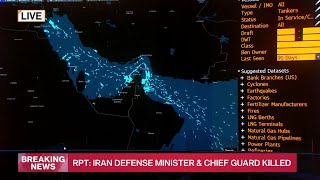
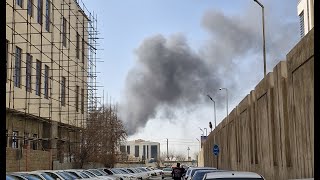
- Geopolitical Escalation: Iran has launched a significant drone and missile attack, marking a "historic day" of conflict. US and Israeli joint operations occurred in the morning, followed by Iranian retaliation targeting US bases in Gulf States.
- Infrastructure Threat: Saudi Arabia intercepted missiles over the Eastern Province (Riyadh region), a critical hub for Aramco oil facilities, signaling direct risk to global energy supply chains.
- Economic Disruption: Airspace is closed across Dubai, the UAE, and other Gulf regions. Local residents are panic-buying food, anticipating a "protracted couple of days" of conflict.
- Diplomatic Pivot: A rare phone call occurred between Saudi Crown Prince (MBS) and UAE President (MBZ), suggesting a unified Gulf front attempting to find a diplomatic off-ramp to prevent total regional destabilization.
Ideas
The Anchor reports, "Saudi Arabia have intercepted missiles that were directed over the Eastern Province... that is where a lot of the oil is situated and Aramco facilities." The Eastern Province is the heart of Saudi oil production. Even if missiles are intercepted, the targeting of this specific geography reintroduces a massive geopolitical risk premium to crude prices due to the potential for supply outages. LONG energy assets as a hedge against supply chain destruction. Diplomatic de-escalation (MBS/MBZ phone call) could remove the risk premium quickly.
The Reporter describes the atmosphere as one of "extreme nervousness," calling it a "historic day" and noting residents are "rushing to the supermarket." This is a textbook "Flight to Safety" trigger. When geopolitical uncertainty spikes, capital flees risk assets (equities) and moves into non-sovereign stores of value (Gold) or high-liquidity safety (US Dollar/Treasuries). LONG Safe Havens. If the conflict is contained without further escalation, risk-on sentiment will return, causing these assets to pull back.
The Reporter notes "attacks and counterattack," "US Israel joint operation," and specifically that "Saudi Arabia have intercepted missiles." Kinetic warfare requires the immediate expenditure of high-cost munitions (interceptors like Patriots or THAAD). This validates the revenue models for defense primes and necessitates replenishment orders from US and Gulf allies. LONG Defense Prime Contractors. A swift diplomatic resolution resulting in a ceasefire would dampen sentiment for the sector.
The Reporter states, "The airspace is closed as well, in Dubai and The UAE, and other Gulf regions too have closed their airspace." Dubai is a massive global transit hub. Airspace closure halts revenue generation for carriers operating in the region and increases fuel costs (due to rerouting) for global carriers. It also spikes insurance premiums for the sector. SHORT commercial aviation and travel ETFs. Airspace could reopen quickly if the attack is deemed a "one-off" event.
Up Next


This Bloomberg Markets video, published February 28, 2026, discussing XLE, WTI, USD, GLD, TLT, RTX, ITA, LMT, NOC, JETS. 4 trade ideas extracted by AI with direction and confidence scoring.