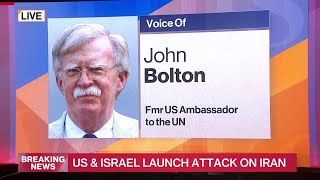
What Iran Attack Means For Oil
Summary
- Market Complacency: Despite "unprecedented geopolitical escalation," oil prices are currently lower ($71/barrel) than they were at the start of the conflict in October 2023 ($85/barrel). The market has desensitized to psychological threats.
- The Real Choke Point: While Iran represents only 5% of global oil supply, the Strait of Hormuz controls 20% of global flow.
- OPEC+ Impotence: The analyst argues that OPEC+ increasing production quotas (Saudi Arabia, Kuwait, UAE, Iraq) is a useless hedge if the Strait of Hormuz is physically blocked, as the oil cannot exit the region.
- Shift to Physical Risk: The "psychological" war premium has evaporated; the market is now waiting for actual physical disruption before repricing.
Ideas
The speaker notes that oil is trading at $71/barrel, which is lower than the $85/barrel level seen at the start of the conflict (Oct 6, 2023), indicating the market has completely discounted "psychological" geopolitical risk. The market assumes supply will remain flowing. However, the speaker emphasizes that 20% of global oil flows through the Strait of Hormuz. If the conflict shifts from "symbolic" attacks to "physical disruption" of this waterway, the current price is severely mispricing the risk of a supply shock that OPEC+ cannot offset (because their exports are trapped behind the same strait). Long energy futures or equities acts as a cheap asymmetric hedge against physical escalation, given the "complacency" currently priced in. The conflict remains contained/symbolic, and demand-side weakness (global recession) drives oil lower.
Up Next


This Bloomberg Markets video, published February 28, 2026, discussing WTI, XLE. 1 trade idea extracted by AI with direction and confidence scoring.