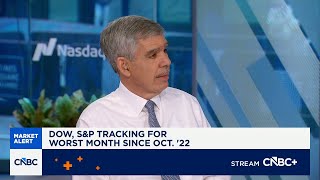
Fed Governor Stephen Miran: The labor market was on a gradual cooling trend for three years
Speakers
Steven Miran
— Chair, Council of Economic Advisers
Summary
- Fed Governor Stephen Miran dissents in favor of bigger rate cuts, a stance he has not changed despite the Iran war and rising oil prices.
- Argues the Fed traditionally "looks through" oil price shocks because they impact price levels immediately, while monetary policy affects the economy with a 12-18 month lag.
- Sees two scenarios where an oil shock could warrant a policy response: a wage-price spiral or a rise in medium-to-long-term inflation expectations. He asserts there is "no evidence" for either.
- Points to CPI swap data: 1-year expectations rose with immediate prices, but forward rates (1y1y, 1y2y, 1y3y) are stable, and 5y5y forward inflation expectations have been coming down.
- Believes the labor market has been on a "gradual cooling trend for three years," making a wage-price spiral "extremely unlikely."
- Contrarian view: He is more concerned about weaker growth and higher unemployment than inflation. Higher oil/gas prices reduce consumer spending on other goods, lowering aggregate demand.
- Implies this demand reduction could exacerbate labor market cooling, a downside risk the Fed should accommodate with easier policy.
- Acknowledges his view differs from Chair Powell and other Fed officials who have highlighted rising inflationary risks.
- Attributes recent market volatility (pricing out cuts, pricing in hikes) to wartime conditions and is "disinclined to read too much into that."