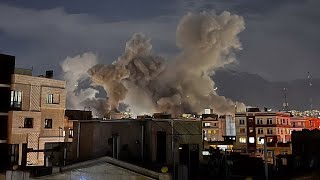
Oil Price Surges as US-Iran Conflict Continues
Speakers
Vonnie Quinn
— Anchor, Bloomberg
Anthony DiPaola
— Reporter, Bloomberg (Energy)
Summary
- "Effective Closure" of Hormuz: While Iran hasn't officially closed the Strait of Hormuz, shipping data shows vessels are avoiding it, creating a de facto blockade.
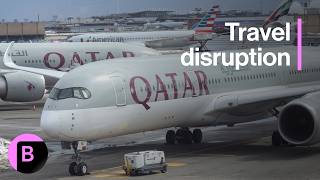
- LNG is the Asymmetric Risk: Unlike Crude Oil, which has alternative pipeline routes (UAE/Saudi), Qatar's massive LNG exports are fully dependent on the Strait.
- Asian Demand Shift: If Qatari LNG is trapped, Asian buyers will be forced to bid for US cargoes, potentially spiking US natural gas prices despite high European inventories.
- Refined Products Vulnerability: Gulf nations export significant diesel/jet fuel to Europe; these flows are more vulnerable than crude due to a lack of pipeline alternatives for refined products.
Ideas
"We still see that jump higher by the start of the actual conflict and by that effective closure of the Strait of Hormuz... ships are avoiding it." The market has priced in geopolitical risk, pushing oil over $80, but is currently pausing to assess "physical damage." However, the "effective closure" (ships refusing to transit) restricts supply flow regardless of official policy. If a tanker is hit (physical damage), the risk premium will expand rapidly. WATCH for a breakout. The speaker notes crude has alternative pipeline routes (UAE/Saudi), making it slightly less vulnerable than LNG, but prices will surge if the "effective closure" becomes a "definitive closure." Saudi/UAE pipelines successfully bypass the Strait; demand destruction from high prices.
"Qatar is fully dependent on shipping through the Persian Gulf via the Strait of Hormuz... If those Asian buyers are not able to get cargoes coming out of the Gulf, then they will turn to try to buy some of those U.S. cargoes." Qatar is a top-3 global LNG exporter. Unlike oil, there are no alternative pipelines for Qatari gas. If the Strait is "effectively closed" by fear or conflict, Asian buyers (who rely on Qatar) must aggressively bid up US LNG (Henry Hub) and European gas (TTF) to secure supply. This creates a demand shock for US exporters like Cheniere (LNG) and the underlying commodity. LONG US LNG exposure and Natural Gas futures as the primary beneficiary of a Qatari blockade. De-escalation of the conflict or OPEC increasing production enough to offset sentiment (though OPEC impacts oil, not gas).
Anthony DiPaola
Reporter, Bloomberg (Energy)
"Refined oil products, diesel jet fuel... the Gulf countries are big producers of, and they ship a lot of those to Europe that will also be impacted." While crude oil can be moved via pipelines across Saudi Arabia/UAE to avoid the Strait, refined products generally move by ship. A blockade creates a shortage of diesel/jet fuel in Europe, widening crack spreads and benefiting complex refiners outside the conflict zone (like US refiners) who can export to fill the gap. LONG US Refiners (implied sector) as they become the safe supplier of choice for Europe. Global recession reducing demand for jet fuel/diesel.
Up Next

This Bloomberg Markets video, published March 02, 2026, features Anthony DiPaola discussing XLE, WTI, F, TTF, MPC, PSX, VLO. 3 trade ideas extracted by AI with direction and confidence scoring.
Speakers: Anthony DiPaola · Tickers: XLE, WTI, F, TTF, MPC, PSX, VLO