Ideas
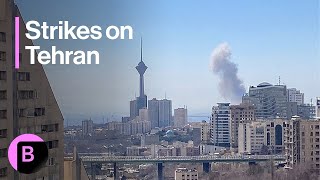
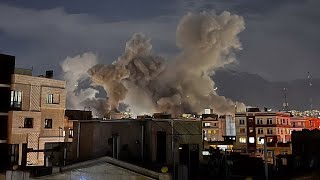
"We are entering a phase of a war of attrition... Air defense ammunitions is a key variable here." + "President Trump is anticipating up to four or FIVE weeks of this campaign." "Attrition" means high consumption of interceptors and missiles. The US and Israel will deplete stockpiles rapidly, necessitating immediate and massive replenishment orders for defense prime contractors (Raytheon for Patriots/missiles, Lockheed for aircraft/THAAD). LONG. The duration (weeks/months) ensures sustained government spending. Supply chain bottlenecks preventing companies from fulfilling orders quickly.
"If this conflict prolongs, we will have a re-acceleration of inflation in the U.S... Then that changes the dynamics for the rate cut narrative." The market was pricing in rate cuts. An oil shock is inflationary. If inflation respikes, the Fed cannot cut rates. Higher-for-longer rates compress valuations for growth and tech stocks. SHORT. The macro environment has shifted from "soft landing" to "stagflationary shock." The US economy proves resilient enough to absorb higher energy costs without stalling.
"Money going into traditional safe-spirit... 10 year yields below 4%... Dollar up 1.4%." Capital hates uncertainty. With explosions audible in major financial hubs (Dubai) and markets closed, global liquidity will aggressively rotate into the "Safety Trinity": Gold, US Dollars, and US Treasuries. LONG. This is a classic "fear trade" setup. If the conflict is contained quickly, risk-on sentiment returns, causing a sell-off in bonds and the dollar.
"This is our third day of full suspensions... The airspace is closed... It means more fuel burn. It means harder logistics." The closure of Gulf airspace disrupts the "Super Connector" hubs (Dubai/Doha). While Asian carriers might gain some share, the net result for the global industry is chaos: higher fuel costs (due to oil spike + longer routes to avoid war zones) and lost revenue from suspended routes. SHORT. Rising input costs (Fuel) + Operational paralysis = Margin compression. US domestic carriers might see a temporary boost if international travel is redirected to domestic/Atlantic routes.
This Bloomberg Markets video, published March 02, 2026,
features Freddy Khoueiry, Deepak Mehra, Leen Al Saady
discussing NOC, LMT, ITA, RTX, GD, QQQ, SPY, UUP, TLT, GLD, DAL, JETS, UAL.
4 trade ideas extracted by AI with direction and confidence scoring.
Speakers:
Freddy Khoueiry,
Deepak Mehra,
Leen Al Saady
· Tickers:
NOC,
LMT,
ITA,
RTX,
GD,
QQQ,
SPY,
UUP,
TLT,
GLD,
DAL,
JETS,
UAL