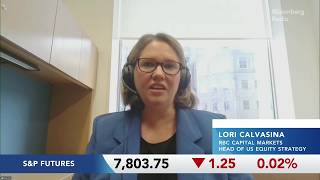
Treasury 30-Year Yields Are Back at 2007 Highs

Watch on YouTube ↗  |  August 17, 2026 at 17:21  |  6:38  |  Bloomberg Markets
Speakers
Stephen Major — Global Macro Adviser, Tradition Dubai
Tom

Summary

Steven Major of Tradition discusses why long-end sovereign bond yields are rising and remain fragile, pointing to competition from equities and hyperscalers as well as fiscal concerns. He explains how US Treasury issuance is skewing shorter, why Japanese domestic bond demand may force repatriation from overseas equities and credit, and why the French long-end selloff may be an opportunity for long-term investors.

  • Long-end sovereign yields are rising and look fragile, with the US 30-year back near 2007 highs.
  • Equity market strength, hyperscaler spending, and fiscal risk premium are key drivers beyond debt alone.
  • The US 20-year Treasury is called an awkward, dog-like maturity with poor supply dynamics.
  • Germany, Switzerland, and the UK are seen as having more bond investor confidence due to fiscal frameworks.
  • Japanese government purchases may pull domestic investors into JGBs and out of overseas equities and credit.
  • The Bank of Japan may need to hike short rates to keep long-end Japanese yields attractive.
  • Higher French 30-year yields are viewed as a potential locking opportunity for long-term investors.
Ideas
Stephen Major Global Macro Adviser, Tradition Dubai 0:05
Long-end Treasury yields remain fragile.
Long-end Treasury yields look fragile because the long end faces competition from hyperscaler capital spending, strong equity market performance and earnings that make bonds less attractive, and fiscal concerns that add a fiscal risk premium; the speaker pushes back on debt being the only driver but still sees long-end fragility.
Stephen Major Global Macro Adviser, Tradition Dubai 1:23
20-year Treasury is an awkward dog.
The 20-year Treasury maturity is especially unattractive because upcoming 20-year supply never goes well, the maturity sticks out on the curve, and the market calls it a dog for good reason; the Treasury may keep reducing the weighted average maturity but the 20-year remains a weak point.
Stephen Major Global Macro Adviser, Tradition Dubai 2:03
Fiscal rules support German, Swiss, UK bonds.
Germany, Switzerland and to some extent the UK have fiscal plans or debt brakes that give bond investors more confidence, while unconstrained spending scares investors; this supports those countries' government bonds relative to issuers without such constraints.
Stephen Major Global Macro Adviser, Tradition Dubai 4:15
Japanese yields attract domestic bond buyers.
The Japanese government is pushing GPIF and other public-sector institutions toward domestic bonds, and private investors will follow; with Japanese bond yields at 30-year highs, those yields are too attractive for domestic investors, supporting JGB demand.
Stephen Major Global Macro Adviser, Tradition Dubai 4:38
Japanese repatriation threatens overseas equities, credit.
Japanese investors repatriating into attractive domestic bond yields are likely to sell overseas holdings; the risk is not primarily US Treasuries but what Japanese investors may sell in overseas equities and credit to bring money home.
Up Next

This Bloomberg Markets video, published August 17, 2026, features Stephen Major discussing TLT, US20Y, BUND, Swiss Government Bonds, UKGILT, JGBUX, VT, Global Corporate Credit. 5 trade ideas extracted by AI with direction and confidence scoring.

Speakers: Stephen Major  · Tickers: TLT, US20Y, BUND, Swiss Government Bonds, UKGILT, JGBUX, VT, Global Corporate Credit