Oil Down as Trump Awaits Iran's Response to Peace Plan
발언자
Anthony DiPaola
— 기자, Bloomberg (에너지)
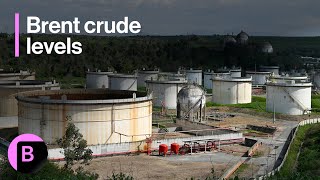
- 유가는 100달러 아래로 하락했으며, 이는 미국 주도의 이란과의 긴장 완화 협상에 대한 시장 낙관론에 의해 주도되었습니다.
- 초기 시장 우려는 에너지 인프라에 대한 상호 공격이었으나, 이는 현실화되지 않아 '5일간의 유예'와 후속 논의로 이어졌습니다.
- 외교적 활동은 긍정적인 신호로 간주되며, 특히 고위급 미국 관리들이 협상에 참여할 가능성이 있어 시장이 이 호재를 받아들이고 있습니다.
- 외교적 내러티브와 대조적으로, 실물 시장은 여전히 심각하게 제약되고 있습니다: 호르무즈 해협이 사실상 차단되었습니다.
- 이란은 선별적인 원유 화물의 '소량'만 허용하고 있으며(예: 중국, 인도로), 통행료까지 부과하고 있어 자유로운 에너지 흐름이 아닙니다.
- 주요 의견 차이가 발생합니다: 한 견해는 투기적 외교보다 실제 물리적 제약(해협 폐쇄, 산업 회복 시간)이 유가에 진정으로 중요하다고 강조합니다.
- 두바이 현지 관찰에 따르면 미사일/드론 활동이 줄어든 '며칠간 더 조용한 날들'이 있으며, 지역 주민들은 이를 협상이 진정성 있을 수 있다는 긍정적 신호로 해석합니다.
- 중요한 위험은 장기간 폐쇄가 생산 인프라에 미치는 영향입니다: 저장 및 수출 능력 부족으로 생산 중단된 유전과 정유 공장이 축소된 비율로 운영되고 있습니다.
- 유가에 대한 모든 강세 압력은 해협이 완전히 재개되고 시설이 생산을 재개하며 유조선 함대가 복귀할 시간을 가져야만 완화될 것입니다.
- 시장은 현재 강세적인 물리적 공급 충격과 약세적인 지정학적 낙관론 사이에서 갇혀 있어 변동성을 초래하고 있습니다.
아이디어
발언자는 미국의 외교적 노력에 따른 '구두개입'과 '호재'로 유가가 배럴당 100달러 아래로 하락했다고 밝히면서도, 동시에 호르무즈 해협이 차단되었고 물리적 흐름은 '간신히 흐르는 수준'이라고 언급합니다. 시장은 두 방향으로 끌려가고 있습니다. 긍정적인 외교 신호는 하방 압력을 만들지만, 심각한 물리적 공급 제약(차단된 해협, 생산 중단)은 본질적인 상방 압력을 만듭니다. 관찰: 가격 방향은 어느 요인이 우세하느냐(성공적인 외교와 해협 재개방(약세) 또는 협상 결렬과 장기 봉쇄(강세))에 달려 있습니다. 현재 가격 움직임은 이 긴장을 반영합니다. 논리는 외교가 신속하고 완전한 호르무즈 해협 재개방으로 이어질 경우(관망/롱으로 전환), 또는 협상이 결렬되고 군사적 긴장이 재개되어 물리적 제약이 강화될 경우(롱으로 전환) 깨집니다.
다음


This Bloomberg Markets video, published March 25, 2026, features Anthony DiPaola discussing WTI. 1 trade idea extracted by AI with direction and confidence scoring.
Speakers: Anthony DiPaola · Tickers: WTI