Gunfire Reported as Iran Shuts Strait of Hormuz and US Blockade Intensifies
Speakers
Philip Crowther
— Reporter
Michelle Hussein
— Host/Journalist, Bloomberg
Jeff Mason
— White House Correspondent
Summary
The video discusses escalating tensions in the Middle East as Iran shuts the Strait of Hormuz, a critical oil passage, following attacks on ships. Journalists analyze the prospects for US-Iran negotiations facilitated by Pakistan, conflicting messages from leaders, and economic impacts on energy-importing countries like the UK. The conversation also covers the political implications of high gasoline prices on the US administration ahead of midterm elections.
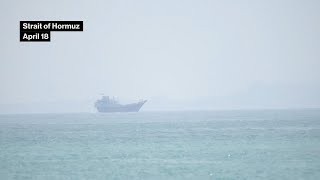
- Iran has closed the Strait of Hormuz and Iranian forces have attacked ships, increasing geopolitical risk.
- Pakistan is working to facilitate a second round of talks between the US and Iran, but confusion persists over agreements.
- Conflicting statements from US and Iranian leaders create uncertainty about the status of negotiations and ceasefire extensions.
- The UK economy is sensitive to energy price shocks due to its reliance on imports, affecting mortgages and growth forecasts.
- High gasoline prices are impacting US political popularity and are a key issue before midterm elections.
- The US president is eager to reach a peace deal to shift focus away from economic concerns.
- Behind-the-scenes diplomacy involves figures like Vice President Vance, but details remain sketchy.
- Geopolitical developments have direct implications for global energy markets and economic stability.