Oil’s Next Move May Hinge on Hormuz, Not OPEC | Presented by CME Group
Speakers
CME Group Presenter
— Host/Narrator
Summary
- OPEC+ announced a surprise quota increase of 206,000 bpd starting April 2026, exceeding market expectations of 137,000 bpd.
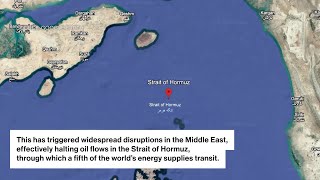
- Despite the bearish supply increase, the Strait of Hormuz presents a binary risk of a "full blockade," which would trap exports from the very nations (Saudi Arabia, Iraq, UAE, Kuwait, Oman) attempting to increase output.
- The analysis suggests geopolitical conflict in Hormuz will override OPEC policy as the primary driver of oil prices.
Ideas
"The true driver of disruption to the supply and demand equation looks likely to be the straight of Hormuz." While OPEC is technically adding supply (which is usually bearish), the market is mispricing the risk of a blockade. If the Strait of Hormuz is closed, the theoretical "quota increase" becomes irrelevant because the physical barrels cannot leave the region. A blockade creates an immediate, massive supply shock. Long oil exposure via USO to capture the upside volatility of a potential supply crunch. De-escalation in the Middle East would refocus the market on the OPEC supply surplus, causing prices to drop.
"Most of the countries adding production, Saudi Arabia, Iraq, UAE, Kuwait, and Oman ship the bulk of their crude through Hormuz, which is of course in danger of a full blockade." This creates a geographic arbitrage opportunity. If Middle Eastern oil is trapped, global demand must be satisfied by producers with safe logistics. US-based majors and shale producers (represented by XLE, Exxon, Chevron) do not rely on Hormuz to export their product and will benefit from the resulting price spike without suffering the logistical freeze. Long Western energy producers as a hedge against Middle Eastern logistical failure. Global recession dampening demand regardless of supply constraints; rapid resolution to geopolitical tensions.
Up Next

This Bloomberg Markets video, published March 04, 2026, discussing USO, XOM, CVX, XLE. 2 trade ideas extracted by AI with direction and confidence scoring.