Yardeni Sees Increased Risk of a Sharp Selloff Due to Iran War
Speakers
Ed Yardeni
— President, Yardeni Research
Host
— Financial Anchor
Summary
- Yardeni assigns a 35% probability to a market meltdown for the rest of the year due to the fog of war in the Middle East and potential oil shocks.
- He expects a near-term 10-15% correction in equities, but maintains a massive long-term bull target of S&P 500 at 7,700 by year-end and 10,000 by the end of the decade.
- Gold is viewed as a premier portfolio diversifier and a legitimate competitor to Bitcoin, with Yardeni projecting $6,000/oz by year-end and $10,000/oz by 2030.
- The Federal Reserve is trapped by stagflationary pressures; they cannot cut rates to support a weakening labor market because war-driven energy and fertilizer costs are keeping inflation elevated.
Ideas
"I'll turn more optimistic when I see a few tankers go through the Strait Of Hormuz without getting shot at... oil shocks tend to cause recessions." The Strait of Hormuz is a critical chokepoint for global energy. As long as Iran and its proxies possess drone capabilities, the risk premium on oil must remain elevated. Any actual strike on a tanker will cause an immediate supply shock and price spike. WATCH USO as a geopolitical hedge against Middle East escalation and supply chain disruptions. A ceasefire agreement or unconditional surrender by Iranian proxies would instantly remove the geopolitical risk premium, crashing oil prices.
"I think we're still looking at it something like a 10 to 15% correction... I still am using 7,700 in the S and P by the end of the year, and I'm still using 10,000 by the end of the decade." Short-term geopolitical fears and oil shocks will likely create a 10-15% drawdown. However, the underlying "Roaring 2020s" economic resilience remains intact. Therefore, sharp selloffs are mechanical buying opportunities (catching the knife) rather than structural market failures. LONG SPY on significant dips, treating near-term corrections as entry points for a multi-year bull run. The 35% probability of a full market meltdown/recession materializes if oil prices sustain extreme highs and break consumer spending.
"The Fed is between Iran and a hard place... if inflation wasn't a problem, they'd probably lower rates. But now you've got... the war is pushing up energy prices." Bonds traditionally hedge equity risk, but if inflation is driven by supply-side shocks (oil, fertilizer from the Middle East), the Fed cannot cut rates to save the economy. This means long-duration bonds will suffer from higher-for-longer yields and fail to provide portfolio protection. AVOID long-duration bonds as they offer no safety in a stagflationary, supply-shock environment. A severe deflationary recession or a sudden collapse in global oil prices would force the Fed to cut rates rapidly, causing bond prices to rally.
"It's kinda back to the pandemic environment where the magnificent seven were just about the only companies that did well because they had their moats... AI has kinda forced them into a AI arms race." In a high-inflation, high-uncertainty environment, capital flees to safety. Mega-cap tech companies function as modern safe havens due to their impenetrable business moats and massive cash reserves, while simultaneously benefiting from mandatory capital expenditure in the secular AI arms race. LONG mega-cap tech selectively on dips as a defensive growth play during market turbulence. Valuations are already stretched; a severe recession could force enterprise customers to cut software and cloud spending, damaging earnings.
"I'm still using 6,000 by the end of the year, and I'm still using 10,000 by the end of the decade... it's a really good diversifier." Geopolitical weaponization of assets (such as freezing Russian central bank reserves) and persistent inflation make fiat currencies less attractive. Gold serves as a non-sovereign store of value, effectively competing with Bitcoin for capital, and acts as a short-term inverse hedge to equities while trending upward long-term. LONG GLD as a core portfolio diversifier and long-term wealth store against geopolitical instability. A sudden peaceful resolution in the Middle East or aggressive Fed rate hikes could strengthen the US Dollar and pressure gold prices.
Up Next
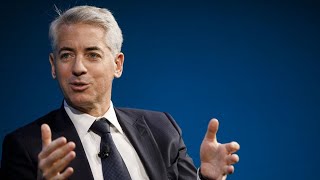

This Bloomberg Markets video, published March 10, 2026, features Ed Yardeni discussing USO, SPY, TLT, META, MSFT, GOOGL, AMZN, AAPL, NVDA, GLD. 5 trade ideas extracted by AI with direction and confidence scoring.
Speakers: Ed Yardeni · Tickers: USO, SPY, TLT, META, MSFT, GOOGL, AMZN, AAPL, NVDA, GLD