Iran War: Trump Calls for De-Escalation on Mideast Energy Site Attacks | Daybreak Europe 3/19/2026
발언자
Vonnie Quinn
— 앵커, Bloomberg
Joumanna Bercetche
— 앵커, Bloomberg
Jon Herskovitz
— 블룸버그 동아시아 정부 편집자
Winnie Hsu
— 블룸버그 리포터 (아시아 시장)
Mark Cranfield
— 크로스 에셋 전략가, 블룸버그
JANA RANDO
— Bloomberg ECB Reporter
HELEN QIAO
— Bank of America Greater China Chief Economist
Oliver Crook
— 수석 유럽 특파원, Bloomberg
* 이란 전쟁의 상당한 확대로 카타르의 Ras Laffan LNG 플랜트(세계 공급량의 20%)와 UAE 및 사우디아라비아의 가스 시설을 포함한 중동 주요 에너지 인프라에 대한 공격이 발생했습니다. 초점은 상류 "공급 파괴"로 이동합니다.
* Brent 원유는 $113 이상 급등했으며, WTI와의 스프레드는 ~$16까지 확대되었습니다. 트레이더들은 지역 공급 리스크와 미국의 개입 가능성을 가격에 반영하고 있습니다. 높은 에너지 가격은 주요 인플레이션 충격으로 간주됩니다.
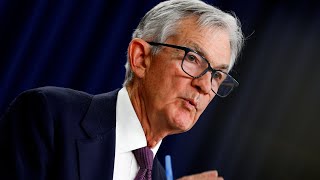
* 연준 의장 파월은 갈등의 경제적 영향이 불확실하다고 밝히면서도 높은 에너지 가격이 단기 인플레이션을 상승시킬 것임을 인정했습니다. 시장은 단기 금리 인하를 반영하지 않고 2년물 수익률을 급격히 상승시켰습니다.
* 전략가 Mark Cranfield는 인플레이션 충격이 상당하다고 주장합니다. 유가가 몇 달 동안 높은 수준을 유지하면 수익률 곡선이 급격히 평탄해져 연준이 금리 인상을 고려하게 될 수 있습니다.
* 아시아 주식은 에너지/인플레이션 우려와 약한 중국 기업 실적(예: Tencent)으로 하락했습니다. 일본 닛케이는 3% 이상 하락; BOJ는 중동 리스크와 상방 가격 압력을 지적했습니다.
* ECB와 BOE는 금리를 동결할 것으로 예상되지만 에너지 충격으로 인해 매파적 기울기에 직면할 것입니다. 특히 BOE의 경우 시장은 2024년 완전한 금리 인상을 가격에 반영했으며, 이는 급격한 반전입니다.
* Bank of America의 Helen Qiao는 중국이 순 에너지 수입국이며, 유가 10% 상승마다 GDP 성장률이 0.1%포인트 감소할 수 있지만 정책 부양이 그 영향을 완충할 수 있다고 지적합니다.
* Qiao는 태국과 필리핀이 제한적인 보조금 시스템으로 인해 아시아에서 오일 쇼크에 가장 취약하다고 강조하는 반면, 대만, 한국, 일본은 카타르 LNG에 크게 의존하고 있습니다.
* EU 정상회담의 초점은 경쟁력에서 전쟁으로 이동했습니다. 유럽 지도자들은 군사적 개입에 대한 의지를 보이지 않지만, 산업을 위한 에너지 비용을 낮추기 위해 배출권 거래 제도(ETS)를 사용하는 것에 대해 논의할 수 있습니다.
아이디어
연사는 정유소를 넘어 "물리적 생산의 원천"으로 이동하는 상류 에너지 생산 시설(카타르 LNG, UAE/사우디 가스전 및 정유소)에 대한 광범위하고 표적화된 공격을 상세히 설명함. 이는 단순한 혼란이 아닌 "공급 파괴"를 의미하며, 글로벌 에너지 시장에 중요한 지역에서 물리적 생산을 직접적으로 위협함. 장기적인 공급 파괴 위험 증가는 추가 확대 및 지속적인 가격 영향에 대한 면밀한 모니터링을 요구함. 급속한 긴장 완화와 휴전은 물리적 인프라에 대한 즉각적인 위협을 줄일 수 있음.
해당 기자는 일본 증시(닛케이 225)가 3% 이상 하락하며 낙폭을 확대하고 있다고 보도했습니다. BOJ는 금리를 동결했지만 중동 긴장과 고유가가 "인플레이션을 부추기고 경제 전망을 해칠 수 있다"는 주요 리스크를 지적했습니다. 일본은 중동 에너지 수입에 크게 의존하고 있습니다. BOJ는 고유가를 인플레이션 및 부정적 경제 전망과 명시적으로 연결하여 주요 수입국에 스태그플레이션 우려를 야기하고 있습니다. 갈등이 일본의 인플레이션과 성장 전망에 직접적으로 연결되고, 시장 실적이 부진하다는 점을 고려할 때 취약성이 높아지고 단기 위험/보상 비율이 매력적이지 않음을 시사합니다. 유가 급락이나 BOJ의 훨씬 더 매파적인 스탠스가 엔화를 지지한다면 심리를 안정시킬 수 있습니다.
전략가는 최근 2년물 금리 움직임이 초기 단계에 불과하다고 밝혔습니다. 유가가 몇 달간 높은 수준을 유지하면 급격한 커브 플래트닝(수익률곡선 평탄화)으로 이어져 연준이 금리 인상을 진지하게 고려하도록 할 수 있습니다. 지속적인 에너지 주도 인플레이션 충격은 연준의 'look through' 접근법에 도전장을 내밀며, 통화 정책을 중립/보유에서 긴축 편향으로 전환시킬 가능성이 있습니다. 해당 섹터는 금리 전망의 상당한 재평가 위험에 직면해 있습니다. 갈등의 궤적과 유가가 이러한 압력의 지속 기간과 강도를 결정하는 데 중요합니다. 갈등이 빠르게 해결되고 에너지 가격이 급락하면 연준은 현재의 신중한 입장을 유지할 수 있습니다.
앵커는 브렌트유가 113달러 이상이며, WTI와의 스프레드가 약 16달러로 계속 확대되고 있으며, 트레이더들은 가격이 계속 상승할 경우 미국의 개입 가능성에 베팅하고 있다고 지적합니다. 가격 움직임과 확대되는 스프레드는 공격 이후 지역 공급 위험에 대한 시장의 예리한 프라이싱을 반영하며, 추가 정책 대응에 대한 기대를 나타냅니다. 실제 공급 파괴, 시장 구조 스트레스(브렌트-WTI 스프레드), 예상되는 정책 불확실성의 결합은 매우 변동성이 큰 상황을 만들어 활발한 모니터링이 필요합니다. 신속하고 신뢰할 수 있는 긴장 완화 또는 전략적 석유 비축분 방출이 가격을 제한할 수 있습니다.
다음

This Bloomberg Markets video, published March 19, 2026, features Joumanna Bercetche, Winnie Hsu, Mark Cranfield, Vonnie Quinn discussing XLE, EWJ, XLF, BRN. 4 trade ideas extracted by AI with direction and confidence scoring.
Speakers: Joumanna Bercetche, Winnie Hsu, Mark Cranfield, Vonnie Quinn · Tickers: XLE, EWJ, XLF, BRN