Ian Bremmer says Iran War's Not "Priced into the Markets" Yet
Speakers
Ian Bremmer
— President and Founder, Eurasia Group
Summary
- Ian Bremmer argues the current Iran war and, critically, the closure of the Strait of Hormuz are not yet "priced into the markets."
- He assesses a minimum of four weeks before the U.S. can begin escorted ship movements through the Strait, with a return to normal capacity taking much longer.
- The principal ongoing threat is from Iranian drone strikes, which can continue for months, posing a persistent risk to Gulf energy infrastructure and oil transit.
- U.S. alliances, particularly with Europe, are "very fractured," but European powers recognize their dependence on open sea lanes and are shifting from "not our war" to engaging diplomatically on the problem.
- A key market vulnerability is economic: the Trump administration's short-term priority is lowering oil prices, leading to seemingly incoherent policy like OFAC waivers for Iranian oil.
- Gulf state capitals are concerned the U.S. may wind down the conflict before securing durable maritime access, leaving Iran with de facto control over the Strait.
- The conflict's second and third-order effects on global supply chains—beyond oil to fertilizers, plastics, and auto parts—will take months to hit market prices but will then be persistent.
- Bremmer compares the current moment to the "early days of the pandemic," where the longer-term, widespread economic ramifications are being underestimated.
Ideas
Bremmer states the Strait of Hormuz closure and its impacts are not priced in, with at least 4 weeks needed for basic escorts and a much longer period required to restore normal capacity and security. Ongoing Iranian drone capabilities pose a continuous, months-long threat to oil transit and Gulf energy production infrastructure, creating a high risk of sustained supply disruption and price volatility. The energy sector faces a significant, underappreciated geopolitical supply risk that warrants close monitoring for potential downside shocks and sustained volatility. A faster-than-expected military or diplomatic resolution that secures the Strait and neutralizes the drone threat.
Bremmer highlights that the suspension of global supply chains from the Strait closure will affect materials like plastics and components for auto parts and packaging, with impacts hitting consumer prices in months. Disruptions to hydrocarbon and industrial component shipments will lead to delayed but sustained input cost increases and potential shortages for consumer durable goods manufacturers. The consumer durables sector faces a looming, protracted supply chain pressure point that is not yet reflected in prices, making it an area to watch for margin compression and volatility. Swift reopening of maritime routes or successful sourcing from alternative supply chains that mitigate the disruption.
Up Next

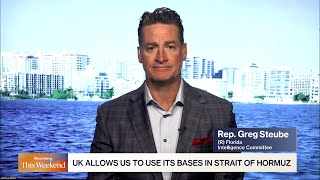


This Bloomberg Markets video, published March 22, 2026, features Ian Bremmer discussing XLE, XLY. 2 trade ideas extracted by AI with direction and confidence scoring.
Speakers: Ian Bremmer · Tickers: XLE, XLY