Trump Promises to Secure Oil Tankers Through Strait of Hormuz, If Needed Amid Iran War
Speakers
**Rebecca Babin**
— Senior Energy Trader / Analyst (Implied Role based on context)
**Anchor**
— Bloomberg Host
Summary
- Market Context: Crude oil panic-traded up 8% overnight due to fears of a Strait of Hormuz closure, but stabilized following Trump's promise of US military escorts.
- The "Stranded Asset" Crisis: Iraq has already begun shutting in production due to a lack of storage. Saudi Arabia and the UAE have approximately 20-25 days of storage capacity remaining before they too must shut in production.
- Contrarian Prediction: While current prices reflect a war premium, the speaker explicitly predicts a "significant sell-off" in crude prices the moment physical tankers are confirmed to be moving safely through the Strait, as this releases the built-up inventory.
Ideas
Rebecca Babin
Senior Energy Trader, CIBC Private Wealth
Shipping volume vs. Insurance costs. "Do the shippers feel a degree of comfort... so that they actually start moving through? ... How expensive is the assurance insurance?" The tanker trade is currently paralyzed. If the Strait remains closed, volumes drop to zero (Bearish). If it opens with escorts, volumes resume, but profitability depends on insurance premiums. The "shut-in" narrative implies tankers are currently *not* being hired, even for floating storage, because the oil isn't leaving the terminals. You need confirmation of "comfort" before these stocks become actionable. WATCH. Wait for the first successful US-escorted transit before entering Long. High insurance premiums compress shipper margins, or prolonged shut-ins reduce global demand for tankers.
Rebecca Babin
Senior Energy Trader, CIBC Private Wealth
Fade the "War Premium" upon confirmation of logistics. "The market is going to significantly sell off when those ships start moving." The current oil price spike (up 8%) is driven by the fear of "stranded assets" (oil stuck in the Middle East). Trump's promise of escorts acts as a relief valve. Once the first convoy successfully navigates the Strait, the "fear premium" evaporates, and the market will be flooded with the stored inventory that is currently stuck in Saudi/UAE tanks. SHORT. The trade is to sell the headline panic and position for the normalization of supply lines. The military escorts fail, or a tanker is attacked despite protection, leading to a total blockade (which would send Oil to $150+).
Up Next


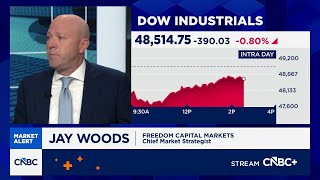
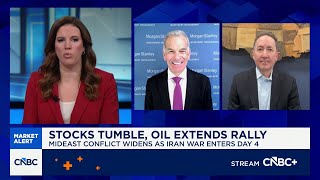
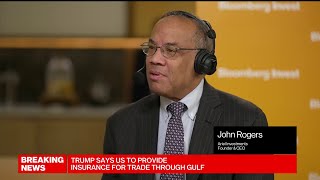
This Bloomberg Markets video, published March 03, 2026, features Rebecca Babin discussing DHT, FRO, EURN, USO. 2 trade ideas extracted by AI with direction and confidence scoring.
Speakers: Rebecca Babin · Tickers: DHT, FRO, EURN, USO