The Risk to Oil Tankers and Ships in Strait of Hormuz
Speakers
Arsenio Dominguez
— Secretary General, United Nations International Maritime Organization
Interviewer
— News Anchor
Summary
- The Strait of Hormuz is currently considered unsafe for commercial shipping due to severe geopolitical volatility, with 15 ships targeted and 7 seafarer fatalities confirmed.
- Approximately 20,000 civilians and seafarers are stranded in the region, with trapped vessels running critically low on essential supplies like food, water, and fuel.
- US naval escorts are being considered for the 30-kilometer strait, but the IMO warns they cannot provide a 100% safety guarantee against projectiles.
- The White House has proposed waiving the Jones Act, a move that would allow foreign vessels to transport goods between US ports and disrupt domestic shipping monopolies.
Ideas
"I continue to reiterate my message that right now, it is not safe for shipping and in particular for seafarers to actually go and trade in the region because it's too volatile." The Strait of Hormuz is the world's most critical chokepoint for global oil transit. If the waterway is functionally unsafe or closed, a massive supply shock hits the global market, adding a steep geopolitical risk premium to crude oil prices and directly benefiting major energy producers and oil-tracking funds. LONG crude oil and major energy equities as supply chain disruptions in the Middle East drive up commodity prices. Diplomatic de-escalation or successful multilateral intervention could quickly remove the risk premium, causing oil prices to retrace.
"companies are exercising maximum analysis when it comes to risk assessments and operational assessments. All these will become part of these situations in case countries could come together and start providing naval assistance" Heightened risk in the Strait of Hormuz forces tanker operators to either pay exorbitant war-risk insurance premiums, wait for naval escorts, or avoid the region entirely. This creates massive logistical inefficiencies, reduces the effective global supply of available tankers, and drives up spot charter day-rates for international tanker companies. LONG international oil and product tanker operators, as geopolitical friction tightens vessel supply and boosts profit margins. A swift resolution to the conflict would normalize shipping routes, increasing effective vessel supply and crashing charter rates.
"We've seen the White House propose waiving the Jones Act, which is this US law that makes it so that US vessels have to move goods from one US port to another." The Jones Act creates a protected monopoly for US-flagged, US-built, and US-crewed vessels on domestic routes. Waiving this act would flood the domestic market with cheaper foreign-flagged shipping capacity, severely compressing margins, pricing power, and market share for legacy US domestic shippers. SHORT US domestic shipping operators, as their regulatory moats are threatened by emergency government waivers. The waiver proposal could face intense political pushback from US maritime unions and lawmakers, ultimately failing to pass or being extremely limited in duration.
Up Next

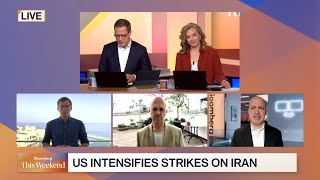

This Bloomberg Markets video, published March 14, 2026, features Arsenio Dominguez discussing USO, XLE, FRO, STNG, MATX, KEX. 3 trade ideas extracted by AI with direction and confidence scoring.
Speakers: Arsenio Dominguez · Tickers: USO, XLE, FRO, STNG, MATX, KEX