Can the Fed Absorb Jobs and Oil Shock? | Presented by CME Group
Speakers
Unknown Speaker
— Bits and Bips co-host
Summary
- The two-year disinflation narrative is breaking down as a geopolitical risk premium drives oil prices higher.
- The US labor market is showing sudden weakness, highlighted by a net loss of 92,000 jobs and a declining labor force participation rate.
- A stagflationary dynamic is emerging: the Fed's ability to cut rates to support the weakening labor market is severely constrained by rising energy-driven inflation, posing a major headwind for broad risk assets.
Ideas
"Oil's move higher isn't just a supply story. It's a geopolitical risk premium creeping back into energy markets." When oil prices rise due to sticky geopolitical premiums rather than just temporary supply disruptions, energy producers capture sustained higher margins. Furthermore, in a market where the broader disinflation narrative is cracking, energy equities act as a necessary portfolio hedge against renewed inflation. LONG large-cap energy producers and broad energy sector ETFs to capture the geopolitical risk premium and hedge against sticky inflation. Geopolitical tensions could unexpectedly de-escalate, or the severe job losses could lead to a demand-side recession that crushes global oil consumption faster than supply is restricted.
"The Fed can cut through a slowing labor market and cooling inflation, but cutting while energy prices keep climbing is a different conversation entirely, and markets may be starting to price that into risk assets." The market has priced in a "Fed put" where weak labor data (like the 92,000 job loss) guarantees rate cuts. However, rising oil creates a stagflationary trap. If the Fed is paralyzed by energy inflation and cannot cut rates to rescue the consumer, equity multiples will contract as earnings fall without the offset of lower discount rates. SHORT broad market indices as risk assets are forced to reprice the reality of a paralyzed Federal Reserve and a deteriorating labor market. The Fed may choose to prioritize the labor mandate over the inflation mandate and cut rates anyway, sparking a liquidity-driven rally in risk assets despite higher inflation.
Up Next
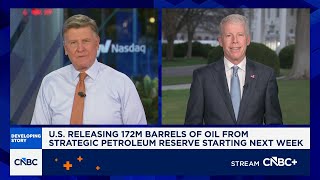
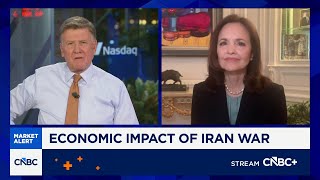

This Bloomberg Markets video, published March 12, 2026, discussing CVX, XOM, XLE, QQQ, SPY. 2 trade ideas extracted by AI with direction and confidence scoring.