Ideas
"Focusing on few megatrends that are requesting right now some significant CapEx... decarbonization and the energy transition is the second one... and obviously the defense that is unfortunately highlighted as a key need." The ongoing conflict in the Middle East and the closure of the Strait of Hormuz highlight severe vulnerabilities in global supply chains. This will force governments to accelerate massive capital expenditure programs into domestic defense infrastructure and renewable energy projects to ensure national security and energy independence. LONG because geopolitical instability guarantees a sustained cycle of government and private CapEx flowing directly into defense and clean energy sectors. A rapid de-escalation of global conflicts could reduce the urgency for defense spending, while higher interest rates could make financing capital-intensive energy transition projects difficult.
"The obvious one right now... is effectively the private credit secondary... you buy that at a discount to the NAV and you can generate the incremental premium." As traditional drawdown funds face liquidity demands from LPs who need cash, alternative asset managers with dry powder can step in as liquidity providers. By acting as price setters in the secondary market, these firms can acquire high-quality private credit assets at steep discounts to their Net Asset Value, locking in outsized yields and premium returns. LONG because alternative asset managers are perfectly positioned to capitalize on LP liquidity distress, acquiring assets at bargain prices. A severe macroeconomic recession could cause actual default rates in the underlying private credit portfolios to spike, wiping out the NAV discounts.
"A company like Apple has like 3 billion of active devices out there, has a great ecosystem, very secure systems... these are the companies that would be resilient and in fact would thrive on AI." While AI poses an existential threat to smaller tech companies, mega-cap tech firms with massive installed user bases and wide moats will successfully integrate and monetize AI. Furthermore, the hardware backbone required for this transition will directly benefit semiconductor foundries in North Asia (Taiwan/Korea) through a sustained CapEx boom. LONG because wide-moat tech ecosystems and the underlying semiconductor infrastructure are the safest, most profitable ways to play the AI secular trend. Regulatory crackdowns on mega-cap tech monopolies or geopolitical disruptions in the Taiwan Strait impacting semiconductor supply chains.
"Central banks are buying up gold. And in the last two years, if you look at the amount of gold they have been buying is like three X or what they have been buying the prior decades." Sustained, price-insensitive demand from central banks seeking to de-dollarize is colliding with a fixed, scarce above-ground physical supply. This structural supply-demand imbalance will drive prices significantly higher, acting as a primary portfolio diversifier regardless of short-term Fed rate paths. LONG because the structural demand from central banks provides a massive tailwind for gold prices. A sharp, unexpected resolution to geopolitical conflicts combined with aggressive Fed rate hikes could strengthen the US Dollar and temporarily suppress gold prices.
"China, we think, has that elements of both... income generating assets. For example, we like the large banks they pay very attractive and sustainable dividend... on the secular growth side, e-commerce cloud computing... trading like 25, 30% discount vis a vis the US." Chinese equities currently offer an extreme valuation mismatch. Investors can build a "barbell" portfolio by capturing high, sustainable yields from state-owned banks while buying secular growth tech giants at a deep discount. Because China makes up a small sliver of global indices, even a marginal reallocation of global capital back to Asia will trigger a disproportionate upward re-rating of these assets. LONG because the extreme valuation discount provides a margin of safety, and capital reallocation will drive significant upside. Renewed US-China trade wars, tariffs, or a failure of the Chinese domestic economy to transition toward a consumption-led model.
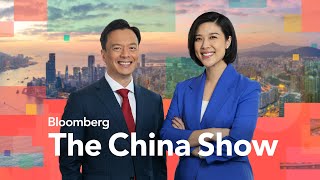
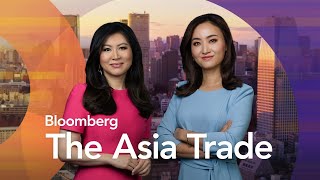
This Bloomberg Markets video, published March 16, 2026,
features Matthew Sharon, Wei Fook
discussing LMT, ICLN, ITA, APO, KKR, BX, AAPL, TSM, 005930.KS, GLD, KWEB, BABA, TCEHY, FXI.
5 trade ideas extracted by AI with direction and confidence scoring.
Speakers:
Matthew Sharon,
Wei Fook
· Tickers:
LMT,
ICLN,
ITA,
APO,
KKR,
BX,
AAPL,
TSM,
005930.KS,
GLD,
KWEB,
BABA,
TCEHY,
FXI