China is in a better position to weather the Iran war than most countries: China Beige Book CEO
Summary
Leland Miller analyzes the impact of the Iran war on China's economy, emphasizing China's relative resilience due to its energy reserves and strategy. He also discusses inflationary pressures from input costs, AI development and competition with the US, and shifts in export markets. The discussion implies that China may be a safer investment during geopolitical tensions but faces challenges from cost spikes and technology access.
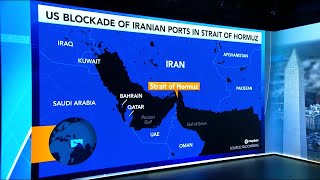
- Impact of Iran war on China's economy and energy supplies.
- China's better position to weather the storm due to massive reserves and energy strategy.
- Inflationary pressures from spiking input costs affecting manufacturing.
- Volatility in commodities like aluminum, steel, copper, helium, and fertilizer.
- AI's effect on China and competition with the US, with compute access as a key issue.
- Exports to US down 26%, with shifts to Europe, Southeast Asia, and South America.
- China's deflationary pressures turning to bad inflation from input costs.
- Energy strategy includes coal and green technology buildup for resilience.
Ideas
Up Next



This CNBC video, published April 16, 2026, features Leland Miller discussing FXI. 1 trade idea extracted by AI with direction and confidence scoring.
Speakers: Leland Miller · Tickers: FXI