Squawk Pod: Inside energy: power rations & Asia’s supply - 03/24/26 | Audio Only
Speakers
Cameron Costa
— CNBC Producer
Dan Murphy
— CNBC International Correspondent (Dubai)
Joe Kernen
— Co-Anchor, Squawk Box
Becky Quick
— Co-Anchor, Squawk Box
Brian Sullivan
— Anchor, CNBC (Last Call / Power Lunch)
Victoria Coats
— Former Deputy National Security Adviser, Heritage Foundation VP
Ira Robbins
— Valley National Bank CEO
Summary
- Iran conflict creates extreme oil volatility; WTI dropped >10% to $88 after Trump's comments on potential talks, but Iran denies negotiations, creating market uncertainty.
- Strait of Hormuz remains a critical choke point; a "trickle" of ships (Chinese, Indian) are passing, but mines and insurance risks constrain flow, keeping global supply at risk.
- Former official Victoria Coats describes chaotic, opaque leadership in Tehran and a collapsing economy (printing a 10M rial note worth ~$7), suggesting the regime is under severe duress.
- A major underreported risk is a potential LNG supply crisis in Asia (Taiwan, Japan, S. Korea); last cargoes are arriving, and spot prices have jumped from ~$11 to $18-20/unit, raising specter of power rationing.
- High global energy prices (notably in Asia) are cited as a potential threat to the capital-intensive AI infrastructure buildout, though no U.S. spending cuts are seen yet.
- Apollo Global Management limits redemptions in its flagship private credit fund, adhering to a 5% cap despite 11% requests, highlighting acute liquidity mismatch and "fire sale" risks in semi-liquid assets.
- Prediction markets (Kalshi, Polymarket) are moving to self-regulate by banning athletes/politicians from related bets, a preemptive move ahead of potential Washington legislation.
- Valley National Bank CEO reports exceptionally strong small/mid-sized business health: loan pipeline up 30-40% YoY, the strongest in two years, driven by data center, utility, and security projects.
- Despite geopolitical concerns, small businesses are not slowing capex plans; Robbins notes activity is driven by pieces of larger projects (e.g., AI data centers), creating a massive "trickle-down" effect.
- The primary risk in private credit is identified as liquidity, not asset marks, echoing past bank failures; regulatory capital rules are seen as having pushed risky lending into an opaque shadow banking system.
Ideas
Sullivan highlights an underreported crisis: the last LNG cargoes are arriving in Taiwan, Japan, and South Korea. Asia's spot LNG price has spiked from ~$11 to $18-20 per unit, and it's unclear if they can get enough fuel at any price. These regions are heavily dependent on LNG imports for power generation. A physical shortage, not just high cost, could force power rationing in major economies. This is a critical, high-impact supply shock in development that the market may be under-pricing. It warrants close monitoring for direct impacts on utilities, LNG shippers, and broader Asian economic activity. A rapid de-escalation in the Strait of Hormuz or a swift diplomatic resolution could ease transport fears and alleviate shortage pressures.
Apollo Global is limiting investor withdrawals in its flagship $15B private credit fund to the 5% quarterly cap, despite redemption requests of 11%. The hosts discuss the inherent liquidity mismatch and how these assets are "liquid when you don't want them and not liquid when you do." This action is a clear signal of stress in the private credit space, forcing the manager to choose between honoring redemptions and protecting remaining investors from fire-sale losses. It exposes the structural liquidity risk for investors. The environment for semi-liquid private credit funds is deteriorating, making them an unattractive and risky area for investors seeking reliable liquidity. Apollo's move is a concerning signal for the sector. If redemption pressures subside and credit markets stabilize, the liquidity crunch could ease without significant NAV damage.
Up Next
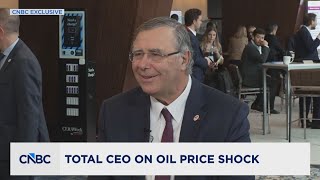
This CNBC video, published March 24, 2026, features Brian Sullivan, Becky Quick discussing LNG, APO. 2 trade ideas extracted by AI with direction and confidence scoring.
Speakers: Brian Sullivan, Becky Quick · Tickers: LNG, APO