Markets Won't Stop Swinging. 3 Questions You Must Ask Your Advisor Now
Speakers
Brandy Maben
— Director, Windrock Wealth Management
Maggie Lake
— Host
Summary
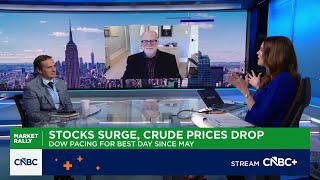
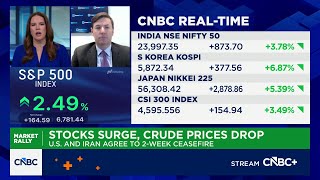
- The market environment is described as extremely difficult and volatile, with unprecedented intraday swings (e.g., Dow up over 1000 points, oil down 17%).
- The core discussion centers on three questions investors should ask their financial advisors during periods of high volatility for reassurance and strategic clarity.
- First question: "Is my plan built to handle volatility like this, or are we reacting to it?" The goal is to confirm the investment framework is robust and not being changed reactively.
- Second question: "How are you making decisions on my behalf right now?" Investors should probe for disciplined, long-term processes and even gauge the advisor's own emotional state to ensure decisions aren't emotion-driven.
- Third question: "Are there any risks or gaps in my strategy that this kind of market is exposing?" This seeks transparency on which holdings might underperform and the rationale for keeping them.
- The advisor-client relationship is framed as more than transactional; it should provide emotional support and be a "voice of reason."
- An educated investor who understands their portfolio's expected ups and downs is better positioned to handle volatility without panic.
- No specific investment theses, asset classes, or market directions are advocated; the focus is entirely on client-advisor communication and planning principles.