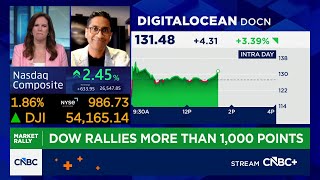
Is the US Economy Heading for Stagflation in 2026? | Presented by CME Group
Summary
The video examines whether the US economy faces stagflation in 2026. It notes above-target inflation but low unemployment and resilient growth. A massive crude oil supply disruption (12% off global supply, twice the scale of the 1970s shocks) is the key risk, yet structural differences like lower energy intensity and remote work may dampen the impact. The critical channel to watch is diesel and gasoline prices, which directly hit corporate earnings, Fed policy, and consumers.
- Inflation remains above the Fed's 2% target, raising stagflation concerns in 2026.
- Unemployment is only 4.3% and real growth is resilient, so the classic high-unemployment component of stagflation is missing.
- 12% of world crude oil supply is offline — roughly twice the scale of the 1970s oil crises.
- Crude oil prices are up only 100% so far, leaving significant upside potential if the conflict persists.
- The US economy is now structurally less sensitive to energy prices because energy costs as a share of spending have fallen.
- Widespread remote work and virtual meetings could reduce the economy's oil demand response.
- Diesel and gasoline prices, not crude benchmarks, are what matters for corporate earnings, the Fed's path, and consumer spending.
Ideas
Massive crude supply disruption, high upside potential.
12% of global crude oil supply is off the market, twice the scale of the 1970s oil shocks. Oil prices have risen only 100% so far, so if the conflict drags out, the upside potential is very large.