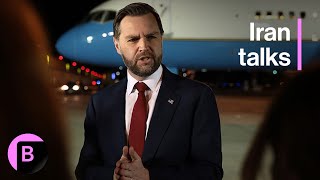
US-Iran Ceasefire at Risk amid Lebanon Attacks | Insight with Haslinda Amin 4/9/2026
Speakers
Haslinda Amin
— Anchor, Bloomberg Television
Jomana Karadsheh
— Correspondent/Analyst
Mariam Mufti
— Associate Professor of Political Science, University of Waterloo
Anna Breman
— Governor, Reserve Bank of New Zealand
Vicki Chi
— Chief Asian Equities Portfolio Manager, Robeco
Jotaro Tamura
— CEO, Mitsui OSK
Swati Gupta
— South Asia Government Reporter, Bloomberg
Summary
- The U.S.-Iran ceasefire remains fragile with Tehran citing violations from Israeli strikes in Lebanon and maintaining de facto control over the Strait of Hormuz, which is still largely blocked to shipping.
- Oil prices rebounded after a sharp one-day drop, but Brent remains below $100/barrel amid uncertainty; Asian stocks rallied initially but stalled due to ceasefire concerns.
- RBNZ Governor Anna Breman warns of persistent near-term inflation pressures from higher fuel prices, especially diesel, impacting transport and agriculture, with potential rate hikes if core inflation rises.
- Portfolio manager Vicki Chi advocates for a resilient portfolio, avoiding high-multiple tech stocks with unproven earnings, and finding value in beaten-down ASEAN and Indian markets.
- Chi highlights energy transition as a long-term theme, noting renewable energy companies have shown resilience similar to traditional oil and gas during the crisis.
- Mitsui OSK CEO Jotaro Tamura emphasizes security as top priority, with only a few vessels passing through the Strait of Hormuz, and the company awaiting government feedback before resuming normal operations.
- Political analyst Mariam Mufti argues Iran holds a strategic advantage due to control over the Strait of Hormuz, while the U.S. needs a face-saving exit; Pakistan mediates with leverage from ties to both sides.
- Pakistan's mediation role is bolstered by support from Gulf states and China, positioning it as an influential diplomatic actor in the region.
- Indian state elections will test Prime Minister Modi's handling of war-driven shortages like cooking gas, which could influence voter sentiment and political stability.
- Market sentiment is cautious with compressed risk premiums, leaving little room for disappointment in ceasefire outcomes; investors are banking on Trump's desire to move past the war.