Teeing up the trading day with a top panel on the Fed, tech and impact of the war in Iran
Speakers
Dom
— Host
Jose Torres
— Chief Economist, Interactive Brokers; Visiting Professor, CUNY
Nimrit Kang
— CIO, North American Equities, Santander Asset Management
Lee Baker
— Financial Advisor, Claris Financial Advisors
Summary
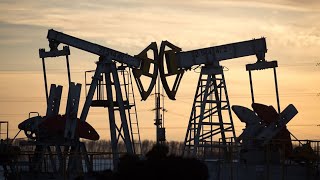
- Fed confronts energy price inflation from Iran war, with crude oil prices up 42% year-over-year, affecting services and core PCE categories like airline fares.
- Middle East conflict needs to subside for Fed to cut rates in second half of the year; other central banks (Australia, ECB, UK) are hiking or considering hikes.
- K-shaped consumer dynamics: lower-end households face difficulty maintaining expenditures, which may ease inflation in some sectors but doesn't solve overall inflationary pressure from high oil prices.
- Market conditioned for volatile "Taco trade," leading to whiplash if reacting to daily geopolitical events; investors are taking a longer-term view to avoid overreaction.
- AI-driven productivity boom offsets weaker hiring and supports corporate earnings, creating a tug-of-war with oil shock and stagflationary risks.
- Corporate earnings show resilience as companies pass through inflationary shocks, but U.S. consumer weakness is a growing concern, with record 401(k) withdrawals indicating financial strain.
- Lee Baker's firm has been gradually shifting allocation away from U.S. stocks to international equities for over 18 months, continuing despite the Iran war, but not as a direct response to it.
- AI trade bolsters equities intermittently, but it's highly dependent on daily oil price movements and Middle East news, causing market volatility.
- Corporate spending on AI remains robust and is expected to support markets for the next 12 months, countering consumer weakness.
- Early 2024 saw a broadening trade into defensive and non-technology sectors, but this reversed since March due to the oil price rally, putting future economic acceleration at risk.