Asian Stocks Rise Before Iran Talks | The Asia Trade 4/10/2026
발언자
Burns McKinney
— Senior Portfolio Manager, NFJ Investment Group
Garfield Reynolds
— 시장 리포터/편집자, 블룸버그
Haidi Stroud-Watts
— 앵커, Bloomberg
Jonathan Panikoff
— 애틀랜틱 카운슬(Atlantic Council) 스코크로프트 중동 안보 이니셔티브(Scowcroft Middle East Security Initiative) 국장
Laura Davison
— 워싱턴 지국장, Bloomberg
Michael Wesley
— Deputy Vice-Chancellor, Professor of International Relations, University of Melbourne
Reed Stevenson
— 리포터, Bloomberg
Shery Ahn
— 앵커, Bloomberg Television
Stephen
— Leads Asia Energy Coverage, Bloomberg
- 미국-이란 휴전 협정은 연약하며, 주요 조건에 대한 근본적인 이견이 있습니다. 여기에는 이란의 대리세력(예: 헤즈볼라)의 지위와 호르무즈 해협 통행에 대한 통행료 징수 의도가 포함됩니다.
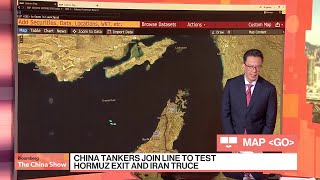
- 휴전에도 불구하고 호르무즈 해협은 사실상 폐쇄 상태입니다. 전쟁 전에는 하루 130척 이상이 통과했지만, 현재는 이란 관련 선박만 소수 통과하고 있으며, 선주/보험사가 안전 보장을 기다리고 있어 글로벌 석유 흐름에 지속적인 병목 현상을 초래하고 있습니다.
- 유가는 구조적 상승 리스크에 직면해 있습니다. 평화 협정이 체결되더라도, 호르무즈에 대한 이란의 새로운 레버리지는 영구적인 리스크 프리미엄을 내재화하여 아직 실적에 반영되지 않은 유가 기준의 "단계적 상승"을 초래할 수 있습니다.
- 아시아 국가들은 중동 변동성에 대비해 에너지원과 파트너십을 적극적으로 다각화하고 있습니다. 예를 들어 호주는 LNG와 교환하여 싱가포르로부터 정제 연료를 구매하고, 동남아시아 구매자들은 러시아 및 지역 대안을 탐색하고 있습니다.
- 시장은 "혼란 속의 평온" 역학을 보이며, 최악의 상황이 지나갔다는 희망에 주식이 회복되고 있지만, 이는 근본적인 개선보다는 포지셔닝 주도의 움직임과 내재된 취약성을 감추고 있습니다.
- 미국은 이번 분쟁에서 전략적으로 약화될 수 있습니다. 이란은 항해에 대한 레버리지를 확립함으로써 전략적 승리를 주장할 수 있으며, 이는 걸만 동맹국들을 놀라게 하고 잠재적으로 러시아와 중국의 지역 영향력에 이익이 될 수 있습니다.
- 특정 기업들은 전쟁의 상이한 영향을 보여줍니다. Fast Retailing(유니클로)은 제한된 차질과 강력한 미국/유럽 수요를 보이는 반면, Seven & I의 미국 편의점 사업은 높은 연료 가격과 약한 소비자 트래픽으로 타격을 입어 미국 IPO가 지연되고 있습니다.
- 중앙은행(예: 한국은행)은 전쟁으로 인한 에너지 인플레이션을 무시할 것인지, 아니면 핵심 물가와 기대치에 반영될 경우 대응할 것인지의 딜레마에 직면해 있습니다. 정책은 동결 상태이나 매파적 경계 태세를 유지하고 있습니다.
- 지속적인 에너지 가격 충격은 한국과 같은 에너지 수입 의존적 기술 중심 아시아 경제에 불균형적으로 타격을 줄 수 있습니다.