No 'quick fix' for global oil flows, says CIBC's Rebecca Babin
Speakers
Carl Quintanilla
— Anchor, CNBC
Rebecca Babin
— Senior Energy Trader, CIBC Private Wealth
Summary
- Rebecca Babin asserts there is no quick fix for global oil flows despite reports of increased ship movements; restoring meaningful flows of 60-70 tankers through the Strait of Hormuz is a 1-3 month process due to logistics and seafarer safety concerns.
- Current flows of around 15 ships are well below the needed level, only slightly tempering extreme price spikes but not resolving structural issues.
- The potential loss of freedom of navigation in Hormuz could structurally decrement the value of spare capacity from Saudi Arabia and the UAE, altering oil market dynamics for the medium to long term.
- Energy equities are significantly underowned, representing only about 2.6-3% of the S&P 500, indicating room for increased investor positioning if sentiment shifts.
- Investors historically "rent" energy exposure (short-term trades), but current conditions might foster a transition to longer-term "holding," potentially raising the sector's weight in portfolios.
- Extreme backwardation in crude oil (e.g., ~$11 backwardation, front month ~$110, June ~$98) signals intense spot demand and is a historically bullish indicator, supporting higher prices as contracts roll up.
- Caution is advised against chasing every rally; investment discipline, balance sheet strength, and earnings remain critical for energy companies.
- Oil prices are highly headline-driven and can reverse quickly on geopolitical news, adding volatility and risk.
- The market may be undergoing a medium-term potential shift in trend for energy, warranting focused attention despite near-term uncertainties.
- A recurring theme is that "barrels find a way" through geopolitical disruptions, but the Hormuz situation poses a more lasting impact due to its scale and logistical complexity.
Ideas
Babin states energy equities are underowned (~2.6% of S&P) and identifies a "medium term potential shift in trend" due to structural changes from Hormuz disruption. The decrement in value of spare capacity behind Hormuz alters oil market dynamics, which could drive increased investor interest and a shift from short-term "renting" to longer-term "holding" of energy positions. This makes the energy minerals sector worth watching for potential investment opportunities as underownership may correct and trends evolve. Thesis could break if headline-driven volatility reverses price gains or if energy companies lack discipline in earnings and balance sheets.
Up Next

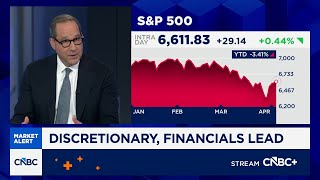



This CNBC video, published April 06, 2026, features Rebecca Babin discussing XLE. 1 trade idea extracted by AI with direction and confidence scoring.
Speakers: Rebecca Babin · Tickers: XLE