NASA's Artemis II Should Have Been a SpaceX Mission ($100B Waste)
Speakers
Josh
— CEO, Walt Disney Company (The)
Ejaaz Ahamadeen
— Co-Host, Limitless Podcast (Bankless)
Summary
- The Artemis II mission is a historic, exciting return to lunar orbit after 53 years, marking a gateway for future lunar colonization plans involving private companies.
- NASA's SLS rocket launch cost is $4.1 billion, with a total program cost of ~$93 billion, criticized as a "colossal waste of money" compared to private alternatives.
- SpaceX's Starship can launch for an estimated $10 million if reusable ($100 million if it explodes), representing a cost reduction to less than 1% of NASA's per-launch expense.
- The inefficiency is attributed to NASA's "cost-plus" contracting model, which incentivizes contractors like Lockheed Martin to increase costs, versus SpaceX's private-market incentives to reduce costs.
- The future of lunar settlement (Artemis III/IV, targeting a permanent outpost by 2036) is seen as dependent on SpaceX's reusable rocket technology and cost efficiency, not NASA's own systems.
- SpaceX's Starship is highlighted as superior: 25-30% taller, 2x heavier, 4x more payload capacity, and fully reusable with a modern cockpit design versus NASA's "1960s" look.
- Blue Origin is seen as a competitor but significantly behind SpaceX in the critical metric of cheaply moving large mass to orbit (e.g., for large satellites or lunar missions).
- Market implication: The "space race is back," driving interest in public space stocks and anticipation for a potential SpaceX IPO with a monumental valuation ($1.75-$2 trillion).
- A key uncertainty is the timeline for sustainable lunar habitation, with the bet placed on SpaceX (not NASA) achieving the first crewed landing and enabling settlement by the late 2020s.
- The discussion maintains a nuanced optimism: celebrating NASA's achievement as a necessary step while being sharply critical of its execution and cost.
Ideas
Speaker stated "this entire mission should just have been handled and managed by SpaceX" and that future lunar landings and settlement "is going to be enabled by SpaceX." SpaceX's Starship rocket is presented as dramatically superior in cost ($10M vs. $4.1B per launch), size, payload capacity, reusability, and modern design. This efficiency is deemed critical for sustainable lunar colonization. SpaceX possesses the technological and economic edge to dominate the next phase of space exploration and lunar settlement, making it the primary beneficiary of renewed space ambitions. Catastrophic failure of Starship development or launch; significant delays in achieving reliable reusability.
Up Next



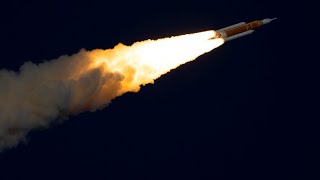

This Bankless video, published April 02, 2026, features Ejaaz Ahamadeen discussing SPACEX. 1 trade idea extracted by AI with direction and confidence scoring.
Speakers: Ejaaz Ahamadeen · Tickers: SPACEX