Takaichi Wins Strong Mandate: What Comes Next for Japan

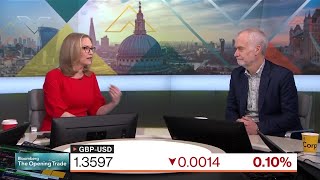
Watch on YouTube ↗  |  February 09, 2026 at 14:20  |  9:53  |  Bloomberg Markets
Speakers
Christopher LaFleur — Chairman, AmCham Japan
David Boling — Former Deputy Assistant U.S. Trade Representative for Japan, The Asia Group

Summary

Christopher LaFleur of AmCham Japan and David Boling of The Asia Group discuss the market and policy implications of Prime Minister Sanae Takaichi's landslide election victory. They see a stronger mandate for proactive fiscal policy and higher defense spending, while inflation, yen weakness, and high JGB yields remain concerns. Boling expects the U.S.-Japan investment agreement to advance deals in semiconductors, pharmaceuticals, critical minerals, AI, and quantum computing. China-Japan relations are expected to remain frosty.

  • Takaichi's ruling party wins a historic lower-house majority, giving her greater policymaking leverage.
  • Christopher LaFleur says the victory is good for foreign businesses and could boost Japanese economic growth.
  • Fiscal stimulus may further pressure the yen and drive inflation.
  • David Boling expects Japan to continue increasing defense spending toward and beyond 2% of GDP.
  • The U.S.-Japan investment agreement prioritizes semiconductors, pharmaceuticals, critical minerals, AI, and quantum computing.
  • Tariffs remain a risk hanging over U.S.-Japan investment deals.
  • China-Japan relations are likely to remain frosty despite Takaichi's stronger mandate.
  • Market concerns include yen weakness, higher import costs, and record JGB borrowing costs.
Ideas
Christopher LaFleur Chairman, AmCham Japan 0:14
Stronger Takaichi mandate boosts Japan growth
Takaichi's resounding lower-house victory gives her the political mandate to implement her responsible but proactive fiscal policy without the previous Diet constraints, which should reenergize the Japanese economy, support further economic growth, and benefit foreign businesses operating in Japan.
David Boling Former Deputy Assistant U.S. Trade Representative for Japan, The Asia Group 3:18
Japan defense spending keeps rising
Takaichi is aligned with President Trump on higher defense spending, has already accelerated Japan's defense budget to 2% of GDP ahead of schedule, and is reviewing national security documents; she is expected to continue pushing defense spending higher, supporting the Japanese defense sector.
Christopher LaFleur Chairman, AmCham Japan 5:33
Fiscal stimulus pressures yen lower
A more stimulatory fiscal policy under Takaichi should further boost Japanese economic growth but also put additional pressure on the yen and feed inflation, implying a weaker Japanese currency.
Christopher LaFleur Chairman, AmCham Japan 7:06
US-Japan collaboration sectors show opportunity
Takaichi's administration is focused on investing in future-oriented areas such as pharmaceuticals, defense, and shipbuilding, creating opportunities for U.S. and Japanese companies to collaborate and benefit from that policy agenda.
David Boling Former Deputy Assistant U.S. Trade Representative for Japan, The Asia Group 7:55
US-Japan deal favors key sectors
The U.S.-Japan investment agreement identifies semiconductors, pharmaceuticals, critical minerals, AI, and quantum computing as priority sectors, and deals in these areas are being discussed and are likely to be rolled out soon ahead of Takaichi's White House visit, creating a policy-driven setup.
Up Next

This Bloomberg Markets video, published February 09, 2026, features Christopher LaFleur, David Boling discussing EWJ, Japanese Defense Sector, FXY, XLV, ITA, Shipbuilding, SMH, REMX, AI-SECTOR, QUBT. 5 trade ideas extracted by AI with direction and confidence scoring.

Speakers: Christopher LaFleur, David Boling  · Tickers: EWJ, Japanese Defense Sector, FXY, XLV, ITA, Shipbuilding, SMH, REMX, AI-SECTOR, QUBT