BUZZBERGThe leaderboard is ranked by Alpha Score, which weighs a speaker's average return, their number of calls, and reputation — a credibility rating of the source that can only raise a score, never lower it.Read the FAQ
Faster-than-expected reopening of the Strait of Hormuz, high US exports, low Chinese imports, and a return to oversupply in 2027 will push oil prices lower; Morgan Stanley has cut its Brent forecast sharply.
"Reports of a major LNG exporting facility in Qatar being hit... halted production... sent prices soaring... A lot of refiners... are scrambling to find alternatives." Qatar is a top-tier global LNG exporter. With their facility offline, the world (specifically Europe and Asia) must turn to the United States as the "swing producer" of LNG. This drives demand for US Natural Gas (UNG), benefits pure-play exporters like Cheniere (LNG) who will see premium pricing for spot cargoes, and aids large producers (EQT). Long US gas ecosystem. The US becomes the safe haven supplier of energy molecules. If the damage to the Qatar facility is superficial and repairs are faster than expected, the panic premium will collapse.
"Reports of a major LNG exporting facility in Qatar being hit... halted production... sent prices soaring... A lot of refiners... are scrambling to find alternatives." Qatar is a top-tier global LNG exporter. With their facility offline, the world (specifically Europe and Asia) must turn to the United States as the "swing producer" of LNG. This drives demand for US Natural Gas (UNG), benefits pure-play exporters like Cheniere (LNG) who will see premium pricing for spot cargoes, and aids large producers (EQT). Long US gas ecosystem. The US becomes the safe haven supplier of energy molecules. If the damage to the Qatar facility is superficial and repairs are faster than expected, the panic premium will collapse.
"Reports of a major LNG exporting facility in Qatar being hit... halted production... sent prices soaring... A lot of refiners... are scrambling to find alternatives." Qatar is a top-tier global LNG exporter. With their facility offline, the world (specifically Europe and Asia) must turn to the United States as the "swing producer" of LNG. This drives demand for US Natural Gas (UNG), benefits pure-play exporters like Cheniere (LNG) who will see premium pricing for spot cargoes, and aids large producers (EQT). Long US gas ecosystem. The US becomes the safe haven supplier of energy molecules. If the damage to the Qatar facility is superficial and repairs are faster than expected, the panic premium will collapse.
"Reports of a major LNG exporting facility in Qatar being hit... halted production... sent prices soaring... A lot of refiners... are scrambling to find alternatives." Qatar is a top-tier global LNG exporter. With their facility offline, the world (specifically Europe and Asia) must turn to the United States as the "swing producer" of LNG. This drives demand for US Natural Gas (UNG), benefits pure-play exporters like Cheniere (LNG) who will see premium pricing for spot cargoes, and aids large producers (EQT). Long US gas ecosystem. The US becomes the safe haven supplier of energy molecules. If the damage to the Qatar facility is superficial and repairs are faster than expected, the panic premium will collapse.
"Reports of a major LNG exporting facility in Qatar being hit... halted production... sent prices soaring... A lot of refiners... are scrambling to find alternatives." Qatar is a top-tier global LNG exporter. With their facility offline, the world (specifically Europe and Asia) must turn to the United States as the "swing producer" of LNG. This drives demand for US Natural Gas (UNG), benefits pure-play exporters like Cheniere (LNG) who will see premium pricing for spot cargoes, and aids large producers (EQT). Long US gas ecosystem. The US becomes the safe haven supplier of energy molecules. If the damage to the Qatar facility is superficial and repairs are faster than expected, the panic premium will collapse.
"Reports of a major LNG exporting facility in Qatar being hit... halted production... sent prices soaring... A lot of refiners... are scrambling to find alternatives." Qatar is a top-tier global LNG exporter. With their facility offline, the world (specifically Europe and Asia) must turn to the United States as the "swing producer" of LNG. This drives demand for US Natural Gas (UNG), benefits pure-play exporters like Cheniere (LNG) who will see premium pricing for spot cargoes, and aids large producers (EQT). Long US gas ecosystem. The US becomes the safe haven supplier of energy molecules. If the damage to the Qatar facility is superficial and repairs are faster than expected, the panic premium will collapse.
"The price movements... point to the fact that there is tightness in the market... transiting along the Strait of Hormuz, which is a key waterway... [is] being affected." The Strait of Hormuz is the world's most critical oil chokepoint. Physical disruption here removes supply from the global market immediately. When supply curves shift left due to kinetic warfare, price must shift up to destroy demand. Long crude oil exposure via futures or ETFs is the direct play on supply chain breakage. De-escalation or rapid repair of facilities could cause the war premium to evaporate quickly.
"The price movements... point to the fact that there is tightness in the market... transiting along the Strait of Hormuz, which is a key waterway... [is] being affected." The Strait of Hormuz is the world's most critical oil chokepoint. Physical disruption here removes supply from the global market immediately. When supply curves shift left due to kinetic warfare, price must shift up to destroy demand. Long crude oil exposure via futures or ETFs is the direct play on supply chain breakage. De-escalation or rapid repair of facilities could cause the war premium to evaporate quickly.
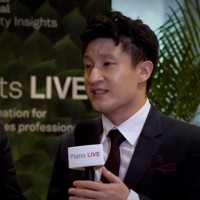
Rong Wei Neo has 5 trade ideas tracked on Buzzberg across 5 tickers since March 2026. Ranked #738 on the Buzzberg Alpha leaderboard. Most covered: BNO, UNG, LNG.
#738Ranked Speaker
#738 of 1540 voices on Buzzberg