BUZZBERGThe leaderboard is ranked by Alpha Score, which weighs a speaker's average return, their number of calls, and reputation — a credibility rating of the source that can only raise a score, never lower it.Read the FAQ
National security supports defense, energy, minerals.
National security priorities will continue to support demand in defense, energy, and critical minerals sectors, making them attractive investment areas amid rising protectionism and evolving alliances.
Historically, the S&P 500 performs well in the 12 months after midterm elections, averaging a 13% gain, and a 23% gain under a Republican president with split Congress. Markets tend to respond well once policy uncertainty clears, so the more important opportunity may emerge after Election Day.
Divided government creates a more stable backdrop for financial services. Financial institutions could benefit from greater regulatory clarity, more flexible capital requirements, and a potentially more supportive environment for mergers and acquisitions.
Tech benefits from policy stability and AI investment.
Divided government limits sweeping legislation, creating a stable backdrop for technology. The sector should continue to benefit from long-term investment in AI, semiconductors, enterprise software, and cybersecurity, despite state-level regulatory patchworks.
National security supports defense, energy, minerals.
National security priorities will continue to support demand in defense, energy, and critical minerals sectors, making them attractive investment areas amid rising protectionism and evolving alliances.
Markets historically outperform during periods of congressional gridlock, and the 2026 midterms are likely to produce a split Congress, raising the odds of gridlock, which is positive for equities despite potential volatility from executive actions.
National security supports defense, energy, minerals.
National security priorities will continue to support demand in defense, energy, and critical minerals sectors, making them attractive investment areas amid rising protectionism and evolving alliances.
Tax refunds are expected to be 40% higher than last year. Unlike previous stimulus, consumers are using this cash to pay down debt and stock up on essentials (Staples), not for discretionary splurges. LONG Staples as the beneficiary of the tax refund cycle. Consumers feel wealthier than expected and pivot back to discretionary spending.
Tax refunds are expected to be 40% higher than last year. Unlike previous stimulus, consumers are using this cash to pay down debt and stock up on essentials (Staples), not for discretionary splurges. LONG Staples as the beneficiary of the tax refund cycle. Consumers feel wealthier than expected and pivot back to discretionary spending.
Guerra identifies Discretionary as the "Loser" of the current spending cycle. The "K-Shaped" economy means the middle/lower class is squeezed. Any incoming cash (refunds) fills holes in balance sheets rather than funding travel or luxury goods. SHORT Discretionary retail exposed to middle/low-income consumers. High-income spending remains strong enough to buoy the sector averages.
Guerra identifies Discretionary as the "Loser" of the current spending cycle. The "K-Shaped" economy means the middle/lower class is squeezed. Any incoming cash (refunds) fills holes in balance sheets rather than funding travel or luxury goods. SHORT Discretionary retail exposed to middle/low-income consumers. High-income spending remains strong enough to buoy the sector averages.
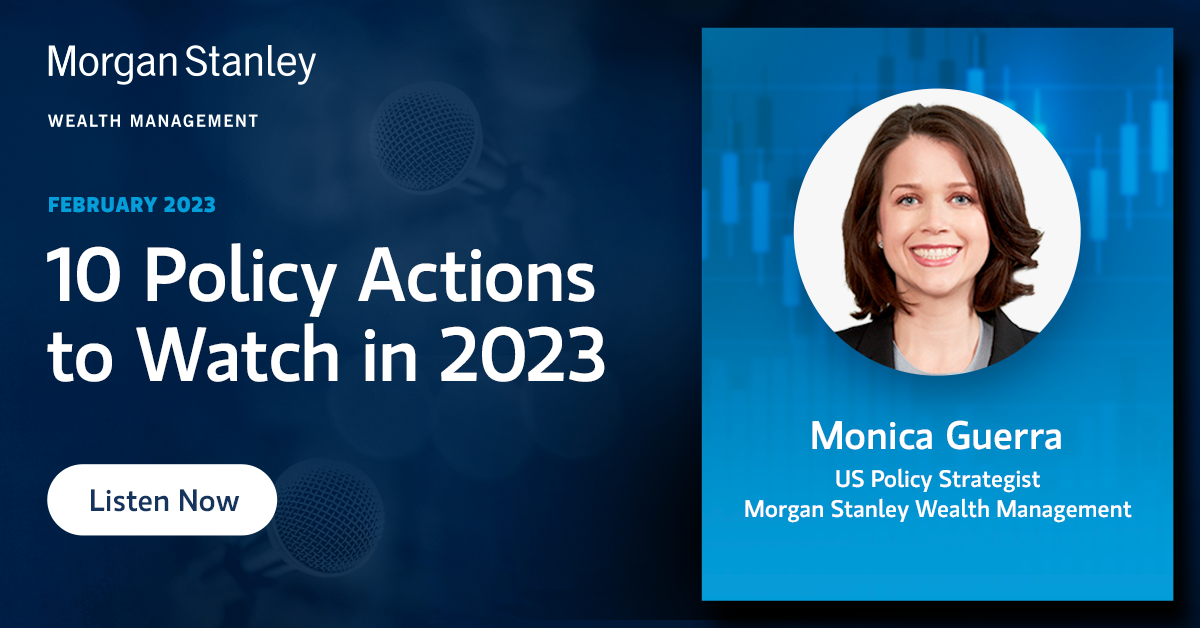
Monica Guerra has 9 trade ideas tracked on Buzzberg across 9 tickers since February 2026. Ranked #830 on the Buzzberg Alpha leaderboard. Most covered: ITA, XLF, REMX.
#830Ranked Speaker
#830 of 1796 voices on Buzzberg