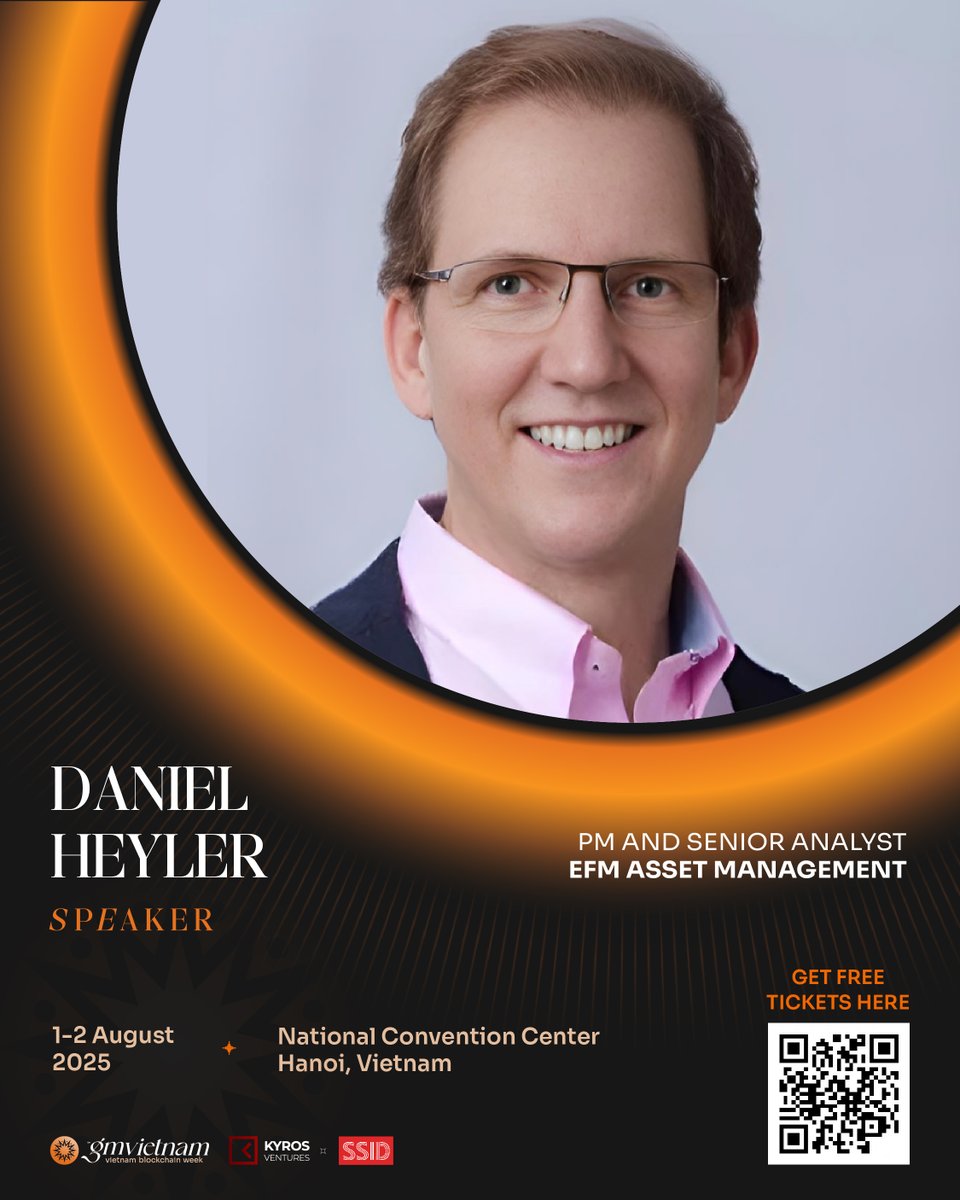
Dan Heyler notes that while NVDA is range-bound despite beating earnings, the Asian ecosystem (TSM and Memory) is "way outperforming." Peter Kim highlights that the Korean rally is highly concentrated in Samsung and SK Hynix due to earnings upgrades. The market is shifting focus from the AI model designer (NVDA) to the bottleneck suppliers (Memory and Foundry). As AI models scale to "10x performance," they require massive memory upgrades (HBM) and advanced packaging, directly benefiting the Korean and Taiwanese duopolies. LONG the Asian hardware ecosystem as the valuation is more attractive than US Hyperscalers and earnings momentum is accelerating. A global cutback in Hyperscaler CapEx (currently 38% of sales) would crush the memory cycle.
Dan Heyler notes that while NVDA is range-bound despite beating earnings, the Asian ecosystem (TSM and Memory) is "way outperforming." Peter Kim highlights that the Korean rally is highly concentrated in Samsung and SK Hynix due to earnings upgrades. The market is shifting focus from the AI model designer (NVDA) to the bottleneck suppliers (Memory and Foundry). As AI models scale to "10x performance," they require massive memory upgrades (HBM) and advanced packaging, directly benefiting the Korean and Taiwanese duopolies. LONG the Asian hardware ecosystem as the valuation is more attractive than US Hyperscalers and earnings momentum is accelerating. A global cutback in Hyperscaler CapEx (currently 38% of sales) would crush the memory cycle.
Dan Heyler notes that while NVDA is range-bound despite beating earnings, the Asian ecosystem (TSM and Memory) is "way outperforming." Peter Kim highlights that the Korean rally is highly concentrated in Samsung and SK Hynix due to earnings upgrades. The market is shifting focus from the AI model designer (NVDA) to the bottleneck suppliers (Memory and Foundry). As AI models scale to "10x performance," they require massive memory upgrades (HBM) and advanced packaging, directly benefiting the Korean and Taiwanese duopolies. LONG the Asian hardware ecosystem as the valuation is more attractive than US Hyperscalers and earnings momentum is accelerating. A global cutback in Hyperscaler CapEx (currently 38% of sales) would crush the memory cycle.
Dan Heyler notes that while NVDA is range-bound despite beating earnings, the Asian ecosystem (TSM and Memory) is "way outperforming." Peter Kim highlights that the Korean rally is highly concentrated in Samsung and SK Hynix due to earnings upgrades. The market is shifting focus from the AI model designer (NVDA) to the bottleneck suppliers (Memory and Foundry). As AI models scale to "10x performance," they require massive memory upgrades (HBM) and advanced packaging, directly benefiting the Korean and Taiwanese duopolies. LONG the Asian hardware ecosystem as the valuation is more attractive than US Hyperscalers and earnings momentum is accelerating. A global cutback in Hyperscaler CapEx (currently 38% of sales) would crush the memory cycle.
Positive on memory near-term due to AI-driven demand and the productivity gains from adding diverse memory solutions; Samsung and SK hynix remain leaders with good supply visibility over the next 6–12 months, though capex-driven oversupply risk exists later.
Heyler argues that if you are an "intermediary like a travel company" without a proprietary data set, you are vulnerable. Generative AI agents will likely bypass traditional aggregators (OTAs) by performing the search and booking function directly for the user. Companies that simply aggregate data without owning the underlying asset or proprietary data will lose pricing power and traffic. SHORT/AVOID travel intermediaries and software middlemen; LONG companies with proprietary data sets. AI adoption is slower than expected, or intermediaries successfully integrate AI to improve margins.
Heyler argues that if you are an "intermediary like a travel company" without a proprietary data set, you are vulnerable. Generative AI agents will likely bypass traditional aggregators (OTAs) by performing the search and booking function directly for the user. Companies that simply aggregate data without owning the underlying asset or proprietary data will lose pricing power and traffic. SHORT/AVOID travel intermediaries and software middlemen; LONG companies with proprietary data sets. AI adoption is slower than expected, or intermediaries successfully integrate AI to improve margins.