BUZZBERGThe leaderboard is ranked by Alpha Score, which weighs a speaker's average return, their number of calls, and reputation — a credibility rating of the source that can only raise a score, never lower it.Read the FAQ
Schneider explicitly highlights the "extension of the premium tax subsidies" as a priority, warning that without it, "millions of families are seeing their insurance increase by $1,500 a month." These subsidies (enhanced ACA tax credits) are direct revenue drivers for Managed Care Organizations (MCOs) focused on the exchange market. Schneider's push indicates that Democrats will make extending these credits a non-negotiable condition in budget talks. If extended, enrollment numbers for Centene, Molina, and others remain robust; if they lapse, churn increases and revenue drops. LONG. The political pressure to avoid an $18k/year cost spike for voters is high, favoring an eventual extension which benefits ACA-heavy insurers. Republican opposition to "pandemic-era" subsidy extensions could lead to a lapse, crushing margins for exchange-focused insurers.
Schneider explicitly highlights the "extension of the premium tax subsidies" as a priority, warning that without it, "millions of families are seeing their insurance increase by $1,500 a month." These subsidies (enhanced ACA tax credits) are direct revenue drivers for Managed Care Organizations (MCOs) focused on the exchange market. Schneider's push indicates that Democrats will make extending these credits a non-negotiable condition in budget talks. If extended, enrollment numbers for Centene, Molina, and others remain robust; if they lapse, churn increases and revenue drops. LONG. The political pressure to avoid an $18k/year cost spike for voters is high, favoring an eventual extension which benefits ACA-heavy insurers. Republican opposition to "pandemic-era" subsidy extensions could lead to a lapse, crushing margins for exchange-focused insurers.
Schneider explicitly highlights the "extension of the premium tax subsidies" as a priority, warning that without it, "millions of families are seeing their insurance increase by $1,500 a month." These subsidies (enhanced ACA tax credits) are direct revenue drivers for Managed Care Organizations (MCOs) focused on the exchange market. Schneider's push indicates that Democrats will make extending these credits a non-negotiable condition in budget talks. If extended, enrollment numbers for Centene, Molina, and others remain robust; if they lapse, churn increases and revenue drops. LONG. The political pressure to avoid an $18k/year cost spike for voters is high, favoring an eventual extension which benefits ACA-heavy insurers. Republican opposition to "pandemic-era" subsidy extensions could lead to a lapse, crushing margins for exchange-focused insurers.
Schneider explicitly highlights the "extension of the premium tax subsidies" as a priority, warning that without it, "millions of families are seeing their insurance increase by $1,500 a month." These subsidies (enhanced ACA tax credits) are direct revenue drivers for Managed Care Organizations (MCOs) focused on the exchange market. Schneider's push indicates that Democrats will make extending these credits a non-negotiable condition in budget talks. If extended, enrollment numbers for Centene, Molina, and others remain robust; if they lapse, churn increases and revenue drops. LONG. The political pressure to avoid an $18k/year cost spike for voters is high, favoring an eventual extension which benefits ACA-heavy insurers. Republican opposition to "pandemic-era" subsidy extensions could lead to a lapse, crushing margins for exchange-focused insurers.
Schneider explicitly highlights the "extension of the premium tax subsidies" as a priority, warning that without it, "millions of families are seeing their insurance increase by $1,500 a month." These subsidies (enhanced ACA tax credits) are direct revenue drivers for Managed Care Organizations (MCOs) focused on the exchange market. Schneider's push indicates that Democrats will make extending these credits a non-negotiable condition in budget talks. If extended, enrollment numbers for Centene, Molina, and others remain robust; if they lapse, churn increases and revenue drops. LONG. The political pressure to avoid an $18k/year cost spike for voters is high, favoring an eventual extension which benefits ACA-heavy insurers. Republican opposition to "pandemic-era" subsidy extensions could lead to a lapse, crushing margins for exchange-focused insurers.
Schneider explicitly highlights the "extension of the premium tax subsidies" as a priority, warning that without it, "millions of families are seeing their insurance increase by $1,500 a month." These subsidies (enhanced ACA tax credits) are direct revenue drivers for Managed Care Organizations (MCOs) focused on the exchange market. Schneider's push indicates that Democrats will make extending these credits a non-negotiable condition in budget talks. If extended, enrollment numbers for Centene, Molina, and others remain robust; if they lapse, churn increases and revenue drops. LONG. The political pressure to avoid an $18k/year cost spike for voters is high, favoring an eventual extension which benefits ACA-heavy insurers. Republican opposition to "pandemic-era" subsidy extensions could lead to a lapse, crushing margins for exchange-focused insurers.
Schneider explicitly highlights the "extension of the premium tax subsidies" as a priority, warning that without it, "millions of families are seeing their insurance increase by $1,500 a month." These subsidies (enhanced ACA tax credits) are direct revenue drivers for Managed Care Organizations (MCOs) focused on the exchange market. Schneider's push indicates that Democrats will make extending these credits a non-negotiable condition in budget talks. If extended, enrollment numbers for Centene, Molina, and others remain robust; if they lapse, churn increases and revenue drops. LONG. The political pressure to avoid an $18k/year cost spike for voters is high, favoring an eventual extension which benefits ACA-heavy insurers. Republican opposition to "pandemic-era" subsidy extensions could lead to a lapse, crushing margins for exchange-focused insurers.
Schneider explicitly highlights the "extension of the premium tax subsidies" as a priority, warning that without it, "millions of families are seeing their insurance increase by $1,500 a month." These subsidies (enhanced ACA tax credits) are direct revenue drivers for Managed Care Organizations (MCOs) focused on the exchange market. Schneider's push indicates that Democrats will make extending these credits a non-negotiable condition in budget talks. If extended, enrollment numbers for Centene, Molina, and others remain robust; if they lapse, churn increases and revenue drops. LONG. The political pressure to avoid an $18k/year cost spike for voters is high, favoring an eventual extension which benefits ACA-heavy insurers. Republican opposition to "pandemic-era" subsidy extensions could lead to a lapse, crushing margins for exchange-focused insurers.
Schneider explicitly highlights the "extension of the premium tax subsidies" as a priority, warning that without it, "millions of families are seeing their insurance increase by $1,500 a month." These subsidies (enhanced ACA tax credits) are direct revenue drivers for Managed Care Organizations (MCOs) focused on the exchange market. Schneider's push indicates that Democrats will make extending these credits a non-negotiable condition in budget talks. If extended, enrollment numbers for Centene, Molina, and others remain robust; if they lapse, churn increases and revenue drops. LONG. The political pressure to avoid an $18k/year cost spike for voters is high, favoring an eventual extension which benefits ACA-heavy insurers. Republican opposition to "pandemic-era" subsidy extensions could lead to a lapse, crushing margins for exchange-focused insurers.
Schneider explicitly highlights the "extension of the premium tax subsidies" as a priority, warning that without it, "millions of families are seeing their insurance increase by $1,500 a month." These subsidies (enhanced ACA tax credits) are direct revenue drivers for Managed Care Organizations (MCOs) focused on the exchange market. Schneider's push indicates that Democrats will make extending these credits a non-negotiable condition in budget talks. If extended, enrollment numbers for Centene, Molina, and others remain robust; if they lapse, churn increases and revenue drops. LONG. The political pressure to avoid an $18k/year cost spike for voters is high, favoring an eventual extension which benefits ACA-heavy insurers. Republican opposition to "pandemic-era" subsidy extensions could lead to a lapse, crushing margins for exchange-focused insurers.
"Vote last night to... oppose the tariffs against Canada... I expect there will be [more such votes]... Tariffs are a tax... not the way to go here." A growing bipartisan coalition in Congress is actively blocking the Executive Branch's tariff threats against key allies like Canada. This legislative check reduces the tail risk of a trade war, bullish for Canadian equities (EWC) and the Canadian Dollar (FXC) which suffer under tariff uncertainty. LONG Canadian assets as political opposition to tariffs solidifies. The President bypasses Congress using emergency powers; tariffs are implemented despite legislative opposition.
"Vote last night to... oppose the tariffs against Canada... I expect there will be [more such votes]... Tariffs are a tax... not the way to go here." A growing bipartisan coalition in Congress is actively blocking the Executive Branch's tariff threats against key allies like Canada. This legislative check reduces the tail risk of a trade war, bullish for Canadian equities (EWC) and the Canadian Dollar (FXC) which suffer under tariff uncertainty. LONG Canadian assets as political opposition to tariffs solidifies. The President bypasses Congress using emergency powers; tariffs are implemented despite legislative opposition.
"We know we need to increase energy production... includes solar. That includes wind... expect that that's going to require tripling our distribution capacity over the next decade." The Congressman explicitly links "affordability" to supply-side deregulation in energy. A bipartisan push to streamline federal permitting from "a decade" to "18 months" would unlock a massive backlog of renewable projects and grid modernization (distribution), directly benefiting solar/wind manufacturers and grid infrastructure providers (GEV). LONG renewable and grid infrastructure plays as permitting reform gains bipartisan traction. Legislative gridlock; environmental groups blocking specific streamlining measures.
"We know we need to increase energy production... includes solar. That includes wind... expect that that's going to require tripling our distribution capacity over the next decade." The Congressman explicitly links "affordability" to supply-side deregulation in energy. A bipartisan push to streamline federal permitting from "a decade" to "18 months" would unlock a massive backlog of renewable projects and grid modernization (distribution), directly benefiting solar/wind manufacturers and grid infrastructure providers (GEV). LONG renewable and grid infrastructure plays as permitting reform gains bipartisan traction. Legislative gridlock; environmental groups blocking specific streamlining measures.
"Vote last night to... oppose the tariffs against Canada... I expect there will be [more such votes]... Tariffs are a tax... not the way to go here." A growing bipartisan coalition in Congress is actively blocking the Executive Branch's tariff threats against key allies like Canada. This legislative check reduces the tail risk of a trade war, bullish for Canadian equities (EWC) and the Canadian Dollar (FXC) which suffer under tariff uncertainty. LONG Canadian assets as political opposition to tariffs solidifies. The President bypasses Congress using emergency powers; tariffs are implemented despite legislative opposition.
"Vote last night to... oppose the tariffs against Canada... I expect there will be [more such votes]... Tariffs are a tax... not the way to go here." A growing bipartisan coalition in Congress is actively blocking the Executive Branch's tariff threats against key allies like Canada. This legislative check reduces the tail risk of a trade war, bullish for Canadian equities (EWC) and the Canadian Dollar (FXC) which suffer under tariff uncertainty. LONG Canadian assets as political opposition to tariffs solidifies. The President bypasses Congress using emergency powers; tariffs are implemented despite legislative opposition.
"We know we need to increase energy production... includes solar. That includes wind... expect that that's going to require tripling our distribution capacity over the next decade." The Congressman explicitly links "affordability" to supply-side deregulation in energy. A bipartisan push to streamline federal permitting from "a decade" to "18 months" would unlock a massive backlog of renewable projects and grid modernization (distribution), directly benefiting solar/wind manufacturers and grid infrastructure providers (GEV). LONG renewable and grid infrastructure plays as permitting reform gains bipartisan traction. Legislative gridlock; environmental groups blocking specific streamlining measures.
"We know we need to increase energy production... includes solar. That includes wind... expect that that's going to require tripling our distribution capacity over the next decade." The Congressman explicitly links "affordability" to supply-side deregulation in energy. A bipartisan push to streamline federal permitting from "a decade" to "18 months" would unlock a massive backlog of renewable projects and grid modernization (distribution), directly benefiting solar/wind manufacturers and grid infrastructure providers (GEV). LONG renewable and grid infrastructure plays as permitting reform gains bipartisan traction. Legislative gridlock; environmental groups blocking specific streamlining measures.
"We know we need to increase energy production... includes solar. That includes wind... expect that that's going to require tripling our distribution capacity over the next decade." The Congressman explicitly links "affordability" to supply-side deregulation in energy. A bipartisan push to streamline federal permitting from "a decade" to "18 months" would unlock a massive backlog of renewable projects and grid modernization (distribution), directly benefiting solar/wind manufacturers and grid infrastructure providers (GEV). LONG renewable and grid infrastructure plays as permitting reform gains bipartisan traction. Legislative gridlock; environmental groups blocking specific streamlining measures.
"We know we need to increase energy production... includes solar. That includes wind... expect that that's going to require tripling our distribution capacity over the next decade." The Congressman explicitly links "affordability" to supply-side deregulation in energy. A bipartisan push to streamline federal permitting from "a decade" to "18 months" would unlock a massive backlog of renewable projects and grid modernization (distribution), directly benefiting solar/wind manufacturers and grid infrastructure providers (GEV). LONG renewable and grid infrastructure plays as permitting reform gains bipartisan traction. Legislative gridlock; environmental groups blocking specific streamlining measures.
"We want to see more than 4 million homes built in the near future... We need to lower the cost to build a home... reduce home building regulations." The coalition's "Affordability Agenda" focuses on supply expansion rather than just demand subsidies. Federal efforts to "clear obstacles" and incentivize local zoning reform favor large-scale homebuilders capable of delivering volume (4M target) efficiently. LONG Homebuilders (e.g., DHI, LEN) as beneficiaries of supply-side policy support. Interest rates remaining high; local municipalities resisting federal pressure on zoning.
"We want to see more than 4 million homes built in the near future... We need to lower the cost to build a home... reduce home building regulations." The coalition's "Affordability Agenda" focuses on supply expansion rather than just demand subsidies. Federal efforts to "clear obstacles" and incentivize local zoning reform favor large-scale homebuilders capable of delivering volume (4M target) efficiently. LONG Homebuilders (e.g., DHI, LEN) as beneficiaries of supply-side policy support. Interest rates remaining high; local municipalities resisting federal pressure on zoning.
"We know we need to increase energy production... includes solar. That includes wind... expect that that's going to require tripling our distribution capacity over the next decade." The Congressman explicitly links "affordability" to supply-side deregulation in energy. A bipartisan push to streamline federal permitting from "a decade" to "18 months" would unlock a massive backlog of renewable projects and grid modernization (distribution), directly benefiting solar/wind manufacturers and grid infrastructure providers (GEV). LONG renewable and grid infrastructure plays as permitting reform gains bipartisan traction. Legislative gridlock; environmental groups blocking specific streamlining measures.
"We know we need to increase energy production... includes solar. That includes wind... expect that that's going to require tripling our distribution capacity over the next decade." The Congressman explicitly links "affordability" to supply-side deregulation in energy. A bipartisan push to streamline federal permitting from "a decade" to "18 months" would unlock a massive backlog of renewable projects and grid modernization (distribution), directly benefiting solar/wind manufacturers and grid infrastructure providers (GEV). LONG renewable and grid infrastructure plays as permitting reform gains bipartisan traction. Legislative gridlock; environmental groups blocking specific streamlining measures.
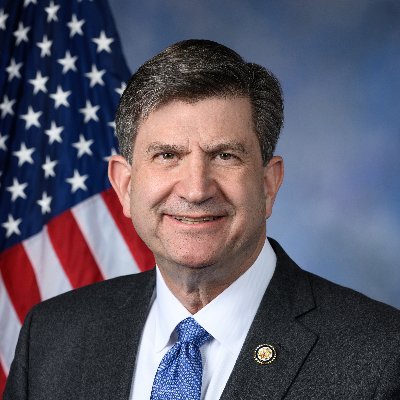
Brad Schneider has 12 trade ideas tracked on Buzzberg across 12 tickers since February 2026. Ranked #148 on the Buzzberg Alpha leaderboard. Most covered: CVS, GEV, TAN.
#148Ranked Speaker
#148 of 1796 voices on Buzzberg