Markets Weekly June 20, 2026
Спикеры
Joseph Wang
— Автор, Central Banking 101 / бывший старший трейдер, Федеральная резервная система
Joseph Wang analyzes two major macro developments: the durable peace deal between the US and Iran that sent oil prices plummeting and the 'China Shock 2.0' wave of advanced Chinese manufacturing exports that threatens Germany's and Europe's industrial base. He argues the US-Iran ceasefire will hold, keeping oil disinflationary, while China's move up the value chain is structurally eroding the German export model.
- US-Iran peace deal is durable due to US political pressure on Israel and dwindling Strategic Petroleum Reserve levels.
- Oil prices (spot Brent) have plummeted, creating a large global disinflationary wave.
- Despite lower oil, markets continue to price in rate hikes from the Fed, ECB, BoJ and BoK, setting up a potential tension.
- China Shock 2.0: China now exports high-tech goods (EVs, batteries, solar panels) but imports have stagnated, hurting foreign exporters.
- Germany's export-driven model is under direct threat: equipment exports and car exports are losing ground to Chinese competition.
- Europe lacks an AI-driven boom like the US, leaving the region structurally vulnerable.
- Europe may respond with its own tariff wall, accelerating deglobalization.
Идеи
Устойчивое прекращение огня удерживает цены на сырую нефть на низком уровне.
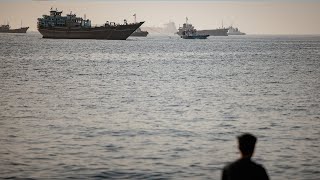
Мирное соглашение между США и Ираном является долговечным, поскольку США не могут рисковать кризисом поставок нефти при уровне Стратегического нефтяного резерва, близком к минимально допустимому, и оказывают беспрецедентное политическое давление на Израиль с целью обеспечения соблюдения условий сделки. Это позволит сохранить Ормузский пролив открытым, даст возможность возобновить добычу нефти на Ближнем Востоке и вызовет дезинфляционную волну на нефтяных рынках. Спотовая цена на нефть марки Brent уже резко упала, и, поскольку ожидается, что режим прекращения огня продлится как минимум несколько месяцев, сырая нефть остается под понижательным давлением.
Joseph Wang
Автор, Central Banking 101 / бывший старший трейдер, Федеральная резервная система
15:05
Китайский шок 2.0 разрушает немецкую экспортную модель.
«Китайский шок 2.0» означает, что Китай продвигается вверх по цепочке создания стоимости в сфере передового производства (электромобили, аккумуляторы, солнечные панели) и агрессивно наращивает экспорт на фоне стагнации импорта. Это создает прямую угрозу экспортно-ориентированной бизнес-модели Германии: экспорт немецкого оборудования сокращается, а экспорт автомобилей стагнирует на фоне резкого роста экспорта китайских автомобилей. Европе также не хватает развития инфраструктуры ИИ, что ставит Германию в сложное структурное положение с низкими перспективами роста и вероятной необходимостью введения тарифных барьеров. Немецкие акции сталкиваются с устойчивой эрозией конкурентоспособности.
Далее



This Joseph Wang video, published June 20, 2026, features Joseph Wang discussing BNO, German DAX index. 2 trade ideas extracted by AI with direction and confidence scoring.
Speakers: Joseph Wang · Tickers: BNO, German DAX index