U.S. and Iran resume strikes after brief pause
Спикеры
David Faber
— Ведущий, Squawk on the Street / Медиа-аналитик
U.S. and Iran have resumed military strikes after a brief pause, with Iran launching ballistic missiles at U.S. forces in Jordan and President Trump vowing strong retaliation. Eamon Javers reports Iran is buying anti-aircraft missiles from China, while Houthis consider fees on Red Sea tankers. Host David Faber suggests Iran wants the war to continue to pressure oil and stock markets and gain control of the Strait of Hormuz.
- U.S. and Iran resume military strikes following a multi-day pause.
- Iran launched ballistic missiles at U.S. forces in Jordan, all intercepted.
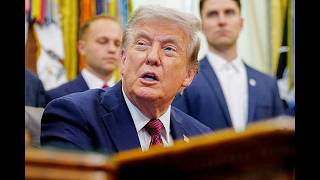
- President Trump responds with profane threats, signaling renewed bombing.
- Iran is buying 400 shoulder-fired anti-aircraft missiles from China.
- Faber argues Iran seeks escalation to pressure oil and stock markets and gain Strait of Hormuz control.
- Houthis are considering fees on tankers transiting the Red Sea.
- Oil prices jump on the renewed conflict; equities face downward pressure.
Идеи
War escalation will pressure stock markets.
Avoid SPY: the CNBC segment frames renewed U.S.-Iran escalation as downside pressure on equities, but does not state an explicit short position or actionable short call.
Iran escalation pressures oil prices higher.
Iran wants to continue the war to pressure oil markets, aiming to lock down their control of the Strait of Hormuz and force President Trump to agree to better terms. The flare-up of war puts upward pressure on oil prices.
Далее

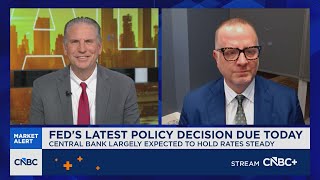


This CNBC video, published July 29, 2026, features David Faber discussing SPY, WTI. 2 trade ideas extracted by AI with direction and confidence scoring.
Speakers: David Faber · Tickers: SPY, WTI