How's Minneapolis Doing Post ICE Withdrawal?
발언자
Jacob Frey
— Mayor of Minneapolis
Interviewer
— News Anchor/Journalist
• 미니애폴리스는 1월에 공격적인 ICE 작전('메트로 서지 작전')으로 인해 지역 기업에 약 2억 300만 달러의 경제적 영향을 입었습니다.
• 미니애폴리스 내 연방 ICE 요원 수는 3,000~4,000명에서 약 400명으로 감소했습니다.
• 국토안보부(DHS)는 ICE 개혁에 관한 교착 상태로 현재 폐쇄되어 TSA 요원의 임금 미지급과 공항 대기 줄이 길어지고 있습니다.
• 백악관은 정치적 반발로 인해 '대규모 추방'에서 '폭력 범죄자'를 겨냥하는 방향으로 메시지를 전환하도록 공화당에 조언하고 있다고 전해집니다.
• 미국은 현재 이란과 전쟁 중이며, 국토 안보 위협에 대한 우려를 높이고 있습니다.
아이디어
"TSA 요원 급여 미지급, 공항 긴 줄... 이 기관은 자금이 없습니다." 장기간 DHS 셧다운은 TSA 요원이 무보수로 일하는 것을 의미합니다. 역사적으로 이는 조직적인 병가, 심각한 보안 병목 현상 및 강제 항공편 취소로 이어집니다. 여행 경험의 악화와 운영 마찰은 단기적으로 항공사 수익에 직접적인 타격을 주고 비용을 증가시킵니다. DHS 자금 교착 상태가 해결되고 공항 운영이 정상화될 때까지 주요 미국 항공사 숏. 갑작스러운 초당적 자금 합의가 TSA 급여를 복원하여 운영 병목 현상을 즉시 제거하고 여행 주식에 완화 랠리를 초래합니다.
이란과의 진행 중인 전쟁으로 인한 미국 본토에 대한 잠재적 위협. 이란과의 활발하고 진행 중인 전쟁은 글로벌 지정학적 위험을 높이고 지속적인 미국 군사 개입을 필요로 합니다. 이는 방어 시스템, 탄약, 및 국토 안보 인프라에 대한 즉각적이고 장기적인 정부 조달을 촉진하여 주요 방산업체의 주문 잔고를 직접 확장합니다. 이란 분쟁과 관련된 군사 지출 증가의 직접적인 수혜자로서 방산업체를 롱합니다. 이란과의 갑작스러운 외교적 긴장 완화 또는 휴전 협정은 현재 방산주에 가격에 반영된 지정학적 프리미엄을 줄일 것입니다.
"백악관 부비서실장 James Blair는 그들에게 수사적으로 대규모 추방 메시지에 집중하는 것을 중단하고 대신 폭력범 추방 아이디어에 초점을 맞추라고 말했습니다." 시장은 이전에 행정부의 공격적인 대규모 추방 수사에 기반하여 민간 구금 시설의 대규모 성장을 가격에 반영했습니다. 정치적 반발로 인한 이러한 정책 전환은 민간 교도소 운영업체의 총시장 규모와 예상 연방 계약 수익을 극적으로 축소합니다. 민간 교도소 업체 숏 – 대규모 추방 내러티브가 붕괴되고 연방 ICE 확장이 정체됨에 따라. 행정부가 다시 방향을 전환하여 무차별적인 대규모 ICE 급습을 재개하거나, 주 차원의 교정 계약이 연방 이민 구금 성장 손실을 상쇄할 경우.
다음

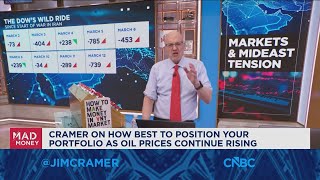

This Bloomberg Markets video, published March 13, 2026, discussing AAL, DAL, UAL, RTX, GD, LMT, CXW, GEO. 3 trade ideas extracted by AI with direction and confidence scoring.