US Warns Iran Against Laying Mines in Strait of Hormuz
Speakers
Bloomberg Anchor
— News Anchor, Bloomberg
Joumanna Bercetche
— Anchor, Bloomberg
Summary
- The Strait of Hormuz remains effectively closed due to Iranian mining threats and GPS spoofing, severely impacting global energy markets.
- US Central Command has destroyed multiple Iranian naval vessels, including 16 mine layers, opening a new maritime front in the conflict.
- Iran continues to launch projectiles at Gulf states (Bahrain, Saudi Arabia, UAE) and refuses to negotiate.
- Rising oil prices are causing US domestic backlash, pressuring the Trump administration to seek a swift resolution ahead of midterm elections to protect the US consumer.
Ideas
"The strait... effectively it still remains shut. And we've talked about the massive ramifications that that is having on energy markets." The Strait of Hormuz is a critical global chokepoint for oil transit, handling roughly 20% of global oil consumption. Its closure, combined with ongoing missile strikes across the Gulf, creates a severe supply shock. This sustains a high geopolitical risk premium on crude oil, directly driving up revenues and margins for major energy producers and the underlying commodity. LONG oil and major energy equities as supply constraints and geopolitical premiums drive up asset prices. The US military successfully secures and reopens the strait faster than anticipated, or a sudden diplomatic breakthrough collapses the geopolitical premium.
There is "scrutiny over the price of oil and what's been happening there and how that could trickle down to the U.S. consumer heading into the midterm elections." Sustained high oil prices act as a direct, regressive tax on the consumer. When a larger percentage of household income is forced toward non-negotiable gasoline and energy costs, discretionary spending drops. This disproportionately hurts the consumer discretionary sector, leading to earnings misses for retail and leisure companies. SHORT consumer discretionary ETFs as margin compression and reduced consumer spending power hit retail earnings. Oil prices normalize quickly due to strategic petroleum reserve (SPR) releases, or consumer credit expansion temporarily offsets the energy cost burden.
"A new maritime front has opened up... Saudi Arabia intercepting projectiles over here in the UAE. We were awoken in the night with another missile alerts coming through." Active naval engagements and continuous missile interceptions across multiple Gulf nations rapidly deplete stockpiles of interceptors and munitions. This necessitates accelerated procurement and emergency appropriations from major US defense contractors who manufacture missile defense systems (like Patriot and THAAD) and naval armaments. LONG defense prime contractors as active, multi-front kinetic conflicts guarantee sustained government defense spending and backlog growth. A sudden ceasefire agreement halts the immediate expenditure of munitions and delays future defense contract awards.
Up Next




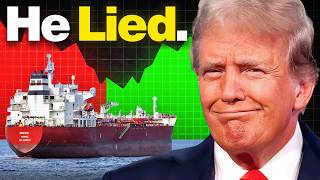
This Bloomberg Markets video, published March 11, 2026, features Joumanna Bercetche discussing CVX, USO, XOM, XLY, LMT, RTX, GD. 3 trade ideas extracted by AI with direction and confidence scoring.
Speakers: Joumanna Bercetche · Tickers: CVX, USO, XOM, XLY, LMT, RTX, GD