Pete Hegseth on Strait of Hormuz: 'We have been dealing with it, and don't need to worry about it'
Speakers
Pete Hegseth
— Secretary of Defense
Summary
- The US and Israel have conducted an unprecedented 10-day air campaign against Iran, striking over 15,000 targets at a rate of over 1,000 per day.
- Iran's conventional military capabilities, including its air defenses, air force, and navy, have been completely neutralized.
- Iranian missile volume is down 90% and one-way attack drones are down 95%.
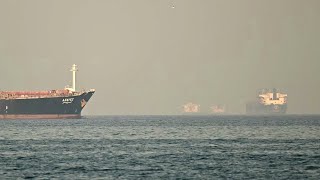
- The US military has secured the Strait of Hormuz, dismissing current Iranian actions there as "sheer desperation" that the market no longer needs to worry about.
Ideas
"Between our air force and that of the Israelis, over 15,000 enemy targets have been struck. That's well over 1,000 a day." Expending 15,000 munitions in just 10 days represents a massive drawdown of US and allied precision-guided munition (PGM) stockpiles. The Department of Defense will be forced to issue emergency and long-term replenishment contracts to restock air-to-ground missiles, interceptors, and smart bombs. Prime defense contractors that manufacture these weapons will see an immediate, multi-year surge in backlog and revenue. LONG LMT / RTX / GD as the primary industrial beneficiaries of a historic munitions replenishment cycle. Post-conflict defense budgets could face political scrutiny, or supply chain bottlenecks (e.g., solid rocket motor shortages) could delay the conversion of backlog into actual revenue.
"Iran has no navy... they are exercising sheer desperation in the straits of Harmuz... don't need to worry about it." During Middle East conflicts, oil tankers and commercial shipping vessels command massive premium freight rates due to the necessity of rerouting (e.g., around the Cape of Good Hope) and skyrocketing maritime insurance costs. A secured Strait of Hormuz and a neutralized Iranian navy means shipping routes will normalize, supply chain friction will decrease, and spot freight rates for tankers will collapse back to pre-war levels. SHORT FRO / STNG as tanker and shipping rates mean-revert following the reopening and securing of vital Middle Eastern maritime chokepoints. Global fleet supply remains structurally tight, and a sudden surge in global oil demand post-conflict could keep tanker rates elevated despite the removal of the rerouting premium.
"they are exercising sheer desperation in the straits of Harmuz. Something we're dealing with. We have been dealing with it and don't need to worry about it." The Strait of Hormuz is the world's most critical oil chokepoint. Historically, any conflict involving Iran bakes a massive "war premium" into the price of crude oil due to fears of supply disruption. With the US officially declaring Iran's navy destroyed and the Strait secured, the geopolitical risk premium will rapidly evaporate from energy markets, causing crude prices to gap down to their fundamental supply/demand baseline. SHORT USO to capitalize on the collapse of the Middle East geopolitical risk premium in oil markets. OPEC+ could announce surprise production cuts to artificially support prices, or asymmetric proxy attacks could still cause localized disruptions to tanker traffic.