Ideas
US equities overvalued; avoid broad market.
The U.S. stock market is roughly 200% above historical average valuations, with Case Shiller PE near 40 versus a long-term average around 15. Mean reversion implies a possible 70% drawdown and decades of poor real returns, so he is avoiding risk assets and would rather buy the S&P at a PE of 8.
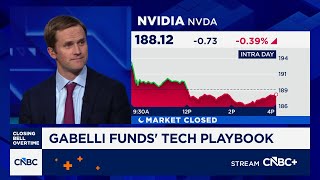
Nvidia vendor financing, valuation look dangerous.
Nvidia is using aggressive vendor financing that resembles Global Crossing/Enron-era arrangements: it lends to vendors, vendors buy chips, and chips are used as collateral for more chip purchases. With price-to-sales around 40, he views the stock as dangerously overvalued and potentially fraudulent.
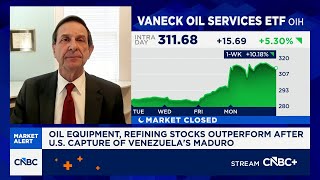
Energy stocks are cheap.
Energy stocks are cheap on cash-flow and inflation-adjusted metrics and can pay an acceptable real return, though he warns that in a broad market whoosh even cheap sectors can get cheaper.
Bonds mispriced; rates too low.
Bonds are mispriced because interest rates are too low; if forced to hold an unhedged 30-year Treasury for 30 years, he would demand at least 10% yield. He expects rates to rise and sees risk that a 60/40 portfolio gets crushed in both stocks and bonds.
Google's weak AI threatens its moat.
Alphabet/Google is in trouble because its AI product is weak and its server-based moat is not durable; it is in a battle for its life as AI competition intensifies.
AI infrastructure spending destroys profitability.
The market overvalues AI infrastructure and capex-heavy tech: massive server and data-center spending is a cost/tax, turns high-margin tech into low-margin businesses with huge capex and quickly depreciating assets, and the ultimate cash flows won't justify today's valuations.
Oracle debt and AI capex risky.
Oracle is among the high-margin tech companies taking on enormous AI capex and debt; its credit-default swaps have soared, signaling market concern about default risk.
Nuclear buildout needed for AI energy.
AI data-center energy demand is so large that nuclear power is needed; he wants a rapid nuclear buildout and believes it is long overdue, though regulation and pushback may delay it until after an energy wall.
Gold preserves wealth long term.
Gold is a long-term inflation hedge and wealth preserver, having maintained purchasing power over centuries. He has been bullish since 1999 and remains a large holder despite unease about its recent strong performance, because he sees few better alternatives.
Platinum faces severe supply deficit.
Platinum is in production deficit with above-ground supplies potentially exhausted within 2.5 years. Demand is relatively inelastic, South African supply is at risk, and if the deficit numbers are right the setup remains bullish for years.
Strategy can cover preferreds via Bitcoin.
Strategy's preferred dividend obligations are manageable because it holds a massive Bitcoin treasury and could sell BTC if needed; at current BTC prices he estimates roughly 50+ years of capital coverage, and the convertible/preferred capital structure reduces balance-sheet risk.
Watch Bitcoin through next global crisis.
Bitcoin has never experienced a global financial crisis or broad reset. He will watch how it behaves in the next severe banking/risk downturn and may allocate if it proves resilient, not merely because its price is low.
This Anthony Pompliano video, published January 05, 2026,
features Dave Collum, Anthony Pompliano
discussing SPY, NVDA, XLE, TLT, GOOG, AIQ, ORCL, URA, GLD, PPLT, STRATEGY, BTC.
12 trade ideas extracted by AI with direction and confidence scoring.
Speakers:
Dave Collum,
Anthony Pompliano
· Tickers:
SPY,
NVDA,
XLE,
TLT,
GOOG,
AIQ,
ORCL,
URA,
GLD,
PPLT,
STRATEGY,
BTC