Iran Threatens New Targets; US Works to Tame Oil Prices
Speakers
Aaron
— Geopolitical Analyst / Guest
Interviewer
— Host
Summary
- The current kinetic conflict involving Iran, Israel, and the US is expected to persist for weeks and will likely transition into new, volatile phases rather than ending cleanly.
- Iran is successfully utilizing "horizontal escalation," exposing the severe vulnerabilities of US military bases and Gulf state infrastructure to short-range ballistic missiles and drones.
- Previously perceived safe havens like Dubai and major economic initiatives like Saudi Arabia's Vision 2030 are now at severe risk of capital flight and destabilization due to their proximity to Iran.
- Israel is viewed as a strategic winner in the current phase, having united its public and cemented its relationship with the incoming US administration.
Ideas
I think markets and oil prices are going to remain volatile... we could be looking at weeks more of this conflict. Iran's strategy of horizontal escalation directly threatens the energy infrastructure of its neighbors and critical maritime chokepoints. Prolonged kinetic activity in the world's primary oil-producing region creates a persistent supply-shock risk premium, keeping a high floor under crude prices as traders price in potential disruptions. LONG. Oil serves as the most direct hedge against expanding Middle Eastern conflict and regional instability. OPEC+ possesses significant spare capacity that could be released to dampen price spikes; a global macroeconomic slowdown could destroy demand faster than supply is disrupted.
The UAE as an entrepot for financial markets. The Saudi Plan for Vision 2030. All of this is now thrown open... Dubai, which up until this war had really seemed like a safe haven... is vulnerable. The illusion of security in the Gulf has been shattered. As Iran proves it can bypass defenses and strike regional infrastructure, foreign direct investment and expatriate capital will likely flee Dubai and Riyadh. This directly threatens the valuation of regional equities, banking sectors, and real estate heavily weighted in these country-specific ETFs. SHORT. The risk premium for holding Gulf state assets has fundamentally repriced higher, making these markets highly vulnerable to capital outflows. A sudden diplomatic breakthrough or overwhelming US/Israeli military suppression of Iranian launch capabilities could quickly restore foreign investor confidence in the region.
American forces... and bases in Bahrain, in the UAE and in Qatar are exceedingly vulnerable to Iranian short range ballistic missiles and drones. The demonstrated vulnerability of US and allied bases to cheap, horizontal drone and missile escalation will force an immediate, massive procurement cycle for advanced air defense systems, counter-UAS (unmanned aerial systems), and interceptors. Prime contractors manufacturing these defensive systems (like Patriot and THAAD) will see sustained order backlogs from both the Pentagon and panicked Gulf allies. LONG. Defense primes are direct beneficiaries of the urgent, non-discretionary need to harden Middle Eastern military and civilian infrastructure. De-escalation or a US political decision to withdraw forces from the region could reduce immediate procurement urgency; defense budgets may face domestic political constraints.
Up Next



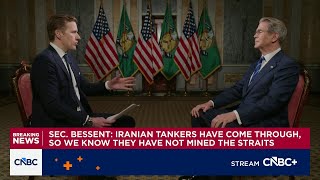
This Bloomberg Markets video, published March 12, 2026, features Aaron David Miller discussing USO, UAE, KSA, RTX, LMT, NOC. 3 trade ideas extracted by AI with direction and confidence scoring.
Speakers: Aaron David Miller · Tickers: USO, UAE, KSA, RTX, LMT, NOC