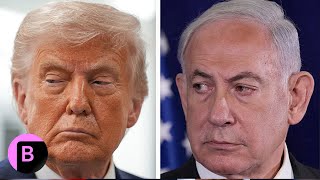
Trump warns Iran 'better stop now' if it is charging oil tankers to pass Hormuz Strait
Speakers
Andrew Ross Sorkin
— Co-Anchor, Squawk Box
Dan Murphy
— CNBC International Correspondent (Dubai)
Summary
- Geopolitical tensions between the U.S. and Iran over the Strait of Hormuz are high, with cautious sentiment in the Gulf region.
- Vice President J.D. Vance is engaged in a rapid 36-hour diplomatic sprint for peace talks in Pakistan, focusing on Hormuz, sanctions, and Iran's nuclear program.
- The Strait of Hormuz remains effectively closed; only one tanker and five carriers passed through in the first 24 hours of the ceasefire, all on Iran's terms.
- President Trump has publicly warned Iran to stop charging fees to oil tankers and accused Tehran of dishonorable conduct regarding ship passage.
- Iran is demanding full war reparations, sanctions relief, U.S. withdrawal from the region, and retention of its uranium enrichment program, which the White House has rejected.
- Gulf States are pushing for a permanent agreement that removes Iran's influence from the strait and addresses long-term threats from Iranian missiles and drones.
- Iran has successfully manipulated global markets by controlling the critical waterway, temporarily sidelining nuclear program concerns.
- Uncertainty persists as talks approach, with no clear path to a deal that satisfies both sides, potentially impacting global oil supply routes.