¿Quién va a pagar la DEUDA que han acumulado los GOBIERNOS?
Summary
Pablo Gil explains why high global public debt is becoming harder to finance and outlines the five ways governments can reduce excessive debt, emphasizing Ray Dalio's view that currency debasement and financial repression are the most likely route. He argues that savers must focus on real returns because cash, deposits, and nominal bonds lose purchasing power when inflation exceeds yields, while real assets may protect long term if not bought too expensively. The video concludes that debt never disappears; it transforms into a loss borne by some group.
- The IMF projects global public debt will exceed 100% of GDP before the end of the decade.
- Five debt-reduction paths are discussed: growth, spending cuts, tax hikes, restructuring/default, and inflation or monetization.
- Financial repression is described as a silent tax on savings through negative real rates.
- Inflation especially hurts cash, low-yield deposits, fixed-rate bonds, and pensions.
- Some debtors and owners of real assets can benefit from inflation, while housing, food, and energy costs rise.
- Investors should evaluate returns after inflation, taxes, and risk rather than focusing only on nominal yields.
- Pablo Gil promotes his upcoming event 'Invertir en el mañana' on 17 October in Madrid.
Ideas
Up Next




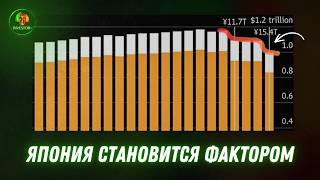
This Pablo Gil video, published September 07, 2026, features Pablo Gil discussing Nominal government bonds, Cash and bank deposits, GLD. 3 trade ideas extracted by AI with direction and confidence scoring.
Speakers: Pablo Gil · Tickers: Nominal government bonds, Cash and bank deposits, GLD