Iran strikes halt Qatar LNG output: Here's what you need to know
Speakers
Brian Sullivan
— Anchor, CNBC (Last Call / Power Lunch)
Carl Quintanilla
— Anchor, CNBC
Summary
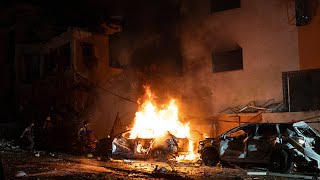
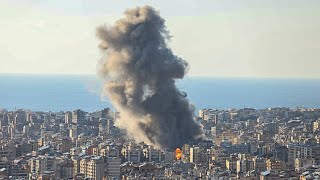
- Iran has conducted drone strikes on Qatar Energy facilities, taking approximately 20-30% of global LNG production offline.
- The Strait of Hormuz is effectively closed to marine traffic as insurers refuse coverage ("no red dots" on the map), halting both LNG and oil transit.
- US-based LNG exporters are seeing immediate stock appreciation as American energy cargoes become significantly more valuable in the absence of Qatari supply.
Ideas
"The story today is quickly evolved into natural gas... 20 to 30% of the world's liquefied natural gas production is offline." A removal of nearly a third of global supply is a massive macro shock. While US gas (Henry Hub) is distinct from global LNG prices, maximum export pressure will tighten domestic balances and sentiment will drive the commodity higher. LONG. Global scarcity lifts the entire asset class. If the US limits exports to keep domestic prices low (political intervention), the link between global shortage and US prices breaks.
"Qatar... is the largest liquefied natural gas producer in the world... right now all LNG production is offline. So effectively 20 to 30% of the world's liquefied natural gas production is offline." With the market leader disabled, global demand must shift to the remaining viable suppliers. Sullivan notes that "US cargoes... are now worth a lot more money," directly benefiting US exporters who can still ship product. LONG. The supply shock creates immediate pricing power for US-based LNG companies. Rapid ceasefire or quick repairs to Qatari facilities would reverse the scarcity premium.
Brian Sullivan
Anchor, CNBC (Last Call / Power Lunch)
"Insurers are saying, no thanks... You can see in the top part there is nothing no red in the Strait of Hormuz." While the strike hit gas facilities, the transit route (Hormuz) is shared by oil tankers. The "effective" closure due to insurance risks means oil supply is also trapped, creating a supply deficit. LONG. Fear premiums and physical supply constraints will drive oil prices up until safe passage is restored. A naval escort program or political de-escalation could reopen the strait quickly, causing prices to drop.