Will Fed Crash Markets Tomorrow? Economist Reveals New Chair’s Gameplan | David Rosenberg
Summary
David Rosenberg, President of Rosenberg Research, assesses the Iran deal's market impact, inflation and labor data, and central bank policy. He argues that inflation fears are overstated, the Fed will cut rates as the economy softens, and US equities are dangerously overvalued. He is bullish on US long bonds, front-end Treasuries, Canadian front-end bonds, and Australian bonds.
- The Iran deal is a tentative memorandum; markets gave a cautiously optimistic response but the larger tail risk is that negotiations fail.
- US headline CPI was hot due to energy, but core is cooling and inflation expectations are anchored; real rates drove bond yields higher, not inflation fears.
- The labor market looks tight on the surface, but nominal wage growth is decelerating, real disposable income is negative, and consumer spending is sustained only by dissaving and borrowing.
- The ECB's rate hike is a policy mistake akin to 2008, trying to fight an energy supply shock; the Bank of Canada should stay neutral because the economy is in excess supply.
- The Fed will make its next move a cut, not a hike, as the US economy faces a spending vacuum in the second half and inflation continues to decline.
- US long bond yields at 5% offer a historically compelling real return; Rosenberg added long bond exposure to his model portfolio.
- Front-end bonds in the US and Canada are mispriced for rate hikes and will rally when central banks eventually cut.
- Australian bonds are attractive because the RBA began hiking early and is now near the end of its tightening cycle.
- The S&P 500 is pricing in a negative or flat equity risk premium, treating equities as a riskless asset; this is not rational and makes US stocks unattractive.
Ideas
Up Next

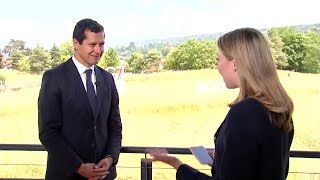

This The David Lin Report video, published June 16, 2026, features David Rosenberg discussing SPY, Canadian government bonds front-end, SHY, US long bond (30-year Treasury), Australian government bonds. 5 trade ideas extracted by AI with direction and confidence scoring.
Speakers: David Rosenberg · Tickers: SPY, Canadian government bonds front-end, SHY, US long bond (30-year Treasury), Australian government bonds