Markets Fall on Gap Between Trump's Talk and Actions | Bloomberg: The China Show 3/27/2026
발언자
Yvonne Man
— APAC 책임자, CoinDesk
Annabel Droulers
— 앵커, Bloomberg TV
Lanting Tu
— 블룸버그 아시아 주식 담당 편집장
Andrew Fung
— CFO, Henderson Land Development
Bonnie Brennan
— COO, Christie's
Brian Roberts
— 전무이사, 주식 상품 개발 책임자, HKEX
Jill
— Managing Editor, Bloomberg
Joumanna Bercetche
— 앵커, Bloomberg
James Peng
— Pony AI CEO
Tony Han
— 창립자 겸 CEO, WeRide
Katherine Lynn
— Analyst / Commentator (context: on Meituan)
Reporter (ETF IQ Asia)
— Analyst, Bloomberg
- **이란 분쟁 및 거시적 영향**: 미국은 이란과의 협상 마감일을 10일 연장하여 시장 불확실성을 연장했습니다. 애널리스트들은 이전 휴지기보다 시장 회복이 더 약하며, 이는 투자자들이 호르무즈 해협 재개방에 대한 구체적인 행동을 위해 수사학 너머를 보고 있음을 나타냅니다. 분쟁은 이미 전 세계적으로 상당한 경제적 충격을 초래했습니다.
- **연준 및 인플레이션 위험**: 연준 관료들(Cook, Jefferson)은 위험 균형이 전쟁으로 인해 인플레이션 쪽으로 더 이동했으며, 유가가 약 50% 상승했다고 밝혔습니다. 일부 전략가들은 스태그플레이션 우려로 인해 연준이 "적극적으로 아무것도 하지 않을" 수 있다고 제안합니다.
- **메모리 칩 매도세**: 아시아 메모리 칩 주식(특히 SK하이닉스, 삼성)의 매도는 Google이 LLM 실행에 필요한 메모리를 6배 줄일 수 있는 "터보" 알고리즘을 공개하면서 촉발되었습니다. 애널리스트들은 이를 집중된 모멘텀 기반 트레이드 청산으로 보지만, 기초 수요는 여전히 타이트하다고 봅니다.
- **중국의 잠재적 수혜**: 일부 애널리스트들은 에너지 가격 충격이 중국에 순긍정적일 수 있으며, 잠재적으로 디플레이션 사이클을 깨고 비용 기반 인플레이션을 통해 기업 이익을 촉진할 수 있다고 제안하지만, 소비자 구매력은 손상될 수 있습니다.
- **실적 및 경쟁 압력**: 메이퇀은 손실 폭을 줄였지만, 특히 알리바바의 AI 통합 생태계와 치열한 경쟁에 직면해 있습니다. Pony.ai는 이익에도 불구하고 주가가 하락했는데, 이는 핵심 로보택시 운영이 아닌 투자 이익에 의한 것이기 때문입니다. WeRide는 자사주 매입을 발표하며, 자사 주식이 Waymo에 비해 "크게 저평가"되었다고 주장했습니다.
- **부동산 섹터 신중론**: 헨더슨 랜드는 이란 분쟁 불확실성으로 인해 유동성 필요성과 신중함을 이유로 배당금을 삭감했으며, 이는 이전의 회복력에서 변화를 나타냅니다.
- **ETF 흐름 및 트렌드**: 홍콩 ETF 시장은 호황을 누리며 월간 유입액이 사상 최고를 기록했습니다. 인기 상품으로는 수익률을 위한 커버드콜 ETF(~18%), 단일 주식 레버리지/인버스 상품(예: SK하이닉스 기반) 등이 있습니다.
아이디어
Google의 'Turbo' 알고리즘은 LLM에 필요한 메모리를 6분의 1로 줄일 수 있습니다. 이 소식은 SK하이닉스와 삼성전자 등 한국 메모리 칩 종목에 급격하고 장기적인 매도세를 촉발했습니다. AI 기반 메모리 칩 트레이드는 아시아의 초과 성과를 이끈 집중적이고 높은 모멘텀 포지션이었습니다. 이 기술적 효율성 향상은 미래 메모리 수요 증가에 대한 위협으로 인식되어 모멘텀 청산을 유도했습니다. 극적인 시장 반응은 elevated risk와 아시아의 'picks and shovels' AI 트레이드에 대한 잠재적 디레이팅을 나타냅니다. 투자자는 혼잡한 포지셔닝과 심리 변화로 인해 관망해야 합니다. 메모리 칩의 기초 수요는 여전히 매우 타이트하며, 신기술이 단기 수요에 즉각적인 영향을 미치지 않을 수 있습니다.
펀드 매니저의 현금 보유액이 6년래 최고치를 기록했습니다. JP모건은 포지셔닝이 역사적으로 여전히 낮은 수준(우크라이나 전쟁 당시 5.6% 대비 4.3%)이라며 추가적인 주식/채권 매도 가능성을 시사했습니다. 동시에 일부 전략가들은 중국을 안전자산으로 꼽고 있습니다. 안전자산 선호(현금)는 이란 전쟁 불확실성에 대한 직접적인 반응입니다. 이러한 위험이 지속되고 중국이 재팽창적 오일 쇼크의 혜택을 볼 가능성을 고려할 때, 중국 채권은 지역 투자자들에게 차기 안전자산으로 자금 유입을 이끌 수 있습니다. 중국 채권은 두 가지 호재, 즉 안전자산으로의 전반적인 순환매와 중국 신용 및 통화 전망을 개선하는 특정 '중국 재팽창' 내러티브의 혜택을 누릴 준비가 되어 있습니다. 이란 상황의 빠른 완화는 안전자산 수요를 줄입니다. 중국의 재팽창이 일시적이거나 신용 품질에 해로운 것으로 판명될 수 있습니다.
헨더슨 랜드의 CFO가 배당금을 명시적으로 삭감하여 오랜 추세를 깨뜨렸으며, 주된 이유는 이란 분쟁으로 인한 불확실성 때문에 유동성을 확보하기 위해서입니다. 그는 "무대응이 최선의 대응"이라고 말했으며 "당분간 유동성을 유지할 것"이라고 밝혔습니다. 그는 이를 업계 전반의 움직임으로 규정하며 경쟁사들이 더 일찍 배당을 삭감했다고 언급했습니다. 이 결정은 자금 조달 비용, 인플레이션, 수요에 영향을 미칠 수 있는 지정학적 리스크에 대한 직접적이고 신중한 대응입니다. 섹터는 방어적인 자세를 취하고 있습니다. 투자자들은 분쟁이 전개됨에 따라 스트레스의 추가 징후(추가 배당 삭감, 프로젝트 보류) 또는 회복(딜 플로우, 가격 결정력)을 주목해야 합니다. 분쟁이 빠르게 해결되면 그러한 신중함이 과도해 보일 수 있으며 여전히 탄력적인 부동산 시장에서 기회를 놓칠 수 있습니다.
다음
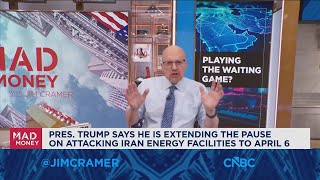
This Bloomberg Markets video, published March 27, 2026, features Lanting Tu, Andrew Fung discussing 000660.KS, 005930.KS, CBON, XLF. 3 trade ideas extracted by AI with direction and confidence scoring.
Speakers: Lanting Tu, Andrew Fung · Tickers: 000660.KS, 005930.KS, CBON, XLF