The Debrief with Mario Parker: Japan Prime Minister, Rising Gas Prices
발언자
Jim
— Host
Mario Parker
— Bloomberg Analyst
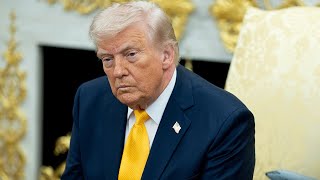
- 일본의 다카이치 총리는 트럼프 대통령과 회담하여 이란 및 석유 안보를 둘러싼 글로벌 긴장 속에서 따뜻한 양자 관계를 과시했습니다.
- 일본은 석유 수송 해협(예: 호르무즈 해협) 확보를 위한 선박을 제공하지 않고 있으며, 석유의 90% 이상을 해당 해협을 통해 수입하고 있음에도 불구하고 그렇습니다.
- 미국은 일본과 같은 오랜 동맹국을 해협 안보 노력에 동원하는 데 어려움을 겪고 있으며, 이는 글로벌 석유 공급망 안정성에 영향을 미칩니다.
- 전국 평균 휘발유 가격은 갤런당 3.88달러로 0.75달러 인상되어 소비자 구매력 우려를 가중시키고 있습니다.
- 백악관은 높은 휘발유 가격으로 인한 고통을 축소하며, 트럼프 대통령은 상황이 더 나빠질 수도 있었지만 곧 끝날 것이라고 말했습니다.
- 보안 또는 군사 목적으로 2000억 달러의 추가 자금 요청이 보고되었으며, 대통령은 반대하지 않았지만 공화당 내에서 우려가 있습니다.
- 정치적 메시지는 경제성을 강조하지만, 높은 휘발유 가격은 경제 내러티브에 모순을 만듭니다.
- 일본의 해협 내 미국 주도 안보 이니셔티브에 대한 정확한 약속 수준('온보드')에 대한 불확실성이 지속됩니다.
- 이란 분쟁이 주요 배경으로 작용하며 외교적 움직임과 글로벌 석유 가격 변동성에 영향을 미칩니다.
- 시장 시사점: 휘발유 가격 상승은 소비자 지출과 인플레이션을 압박할 수 있지만, 정부의 대응은 미미하며 즉각적인 정책 변화는 없습니다.