Ideas
The CEO notes a "structural regime change" in markets where metals (specifically Silver and Gold) are outperforming equities. With Indian equity valuations stretched (Nifty 50 earnings up 10% but trading at >20x) and foreign flows tepid, capital is rotating into hard assets. Silver is highlighted as potentially entering a "structural bull run." LONG Silver and Gold as a valuation hedge and beneficiary of the new market regime. A strong dollar or rising real rates typically creates headwinds for non-yielding precious metals.
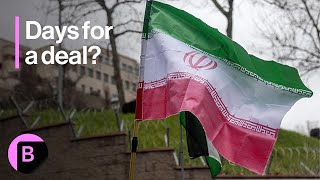
The US has deployed its largest military force to the Middle East since 2003. A closure of the Strait of Hormuz would block 1/5 of daily global oil demand and LNG consumption. Current oil prices reflect some risk, but not a total blockage. Alexis notes a "rule of thumb" where every 100k barrels off the market moves the price significantly; a full blockade could easily push oil past $100/barrel. Mark Franklin adds that the "war premium" is currently insufficient given the scale of military assets deployed. LONG oil futures or proxies as an asymmetric hedge against conflict escalation. A quick diplomatic deal (Trump's "10-15 days" timeline) could cause the risk premium to evaporate rapidly.
Alexis
Geopolitics and Long-Term Investing Strategist
14:24
The DXY was down roughly 10% last year, and Alexis forecasts another 10% decline this year. The US is facing an affordability crisis, and despite the "safe haven" status during conflict, the structural trend is lower. Investors may look to alternatives like the Swiss Franc or Yen (though Yen has fiscal issues) or hard assets. SHORT the US Dollar Index on structural weakness. A major geopolitical escalation usually triggers a "flight to safety" into the USD, temporarily reversing the structural downtrend.
Alexis
Geopolitics and Long-Term Investing Strategist
24:14
Foreign investors bought the most Japanese stocks/futures in a decade following the Prime Minister's election win ($11.5 billion in a week). The market is pricing in political stability and fiscal stimulus (spending). Despite the currency issues, the equity market is benefiting from a "reflationary" mindset and corporate governance reforms. LONG Japanese Equities (Nikkei/Topix) to follow the "smart money" foreign flows. The BOJ (Bank of Japan) is under pressure to raise rates to defend the Yen; tightening into a debt-heavy economy could crash the market.
Japanese corporate CFOs and global markets are shifting away from bank debt and public equity for financing. There is a "third way" of finance—Private Credit—filling the gap for investment-grade companies needing long-dated capital. Japan is specifically highlighted as a market seeing "extraordinary growth" in this area. LONG Apollo (APO) as a primary beneficiary of the secular shift toward private credit, particularly in untapped markets like Japan. A global recession or liquidity crunch could freeze private credit origination and increase default rates.
Foreign investors sold $110 billion rupees of Indian IT stocks in early February. Mark Franklin notes that business models predicated on "outsourcing relatively commoditized software development" are at risk. This is the "Second-Order" AI trade. As AI writes code, the need for massive human labor arbitrage in coding (the core business of Indian IT majors) diminishes. Companies will "self-fund" AI initiatives rather than outsourcing. SHORT Indian IT Services (Infosys, Wipro) as they face an existential threat from Generative AI productivity gains. These companies may successfully pivot to becoming AI implementers, retaining clients through legacy relationships.
Zoom invested in Anthropic in 2023. Anthropic is a leading private AI lab (creator of Claude). Public investors have very few ways to get exposure to Anthropic (unlike OpenAI via MSFT). Zoom's stake acts as a hidden asset on its balance sheet. Additionally, Zoom is pivoting to "AI-powered collaboration" (Contact Center/Virtual Agents) to combat the narrative that AI kills SaaS. LONG ZM as a proxy for Anthropic valuation growth and a contrarian play on AI application utility. AI agents could eventually replace the need for video conferencing software entirely; the "AI displacement" risk remains high for seat-based SaaS.
Alexis
Geopolitics and Long-Term Investing Strategist
Healthcare costs in the US are forecast to increase by 8% to 10% this year. While rent and goods inflation softens, services inflation (specifically healthcare) is sticky and rising. Companies in this sector have pricing power and are capturing this inflation as revenue. LONG Healthcare providers/insurers who can pass on these 8-10% cost increases. Regulatory intervention or government price caps on drugs/services.
This Bloomberg Markets video, published February 20, 2026,
features Alpha Group CEO, Alexis / Mark Franklin, Alexis, Mark Rowan, Mark Franklin, Aparna Bawa
discussing GOLD, SILVER, BRENT, DXY, EWJ, APO, INFY, WIT, ZM, XLV.
8 trade ideas extracted by AI with direction and confidence scoring.
Speakers:
Alpha Group CEO,
Alexis / Mark Franklin,
Alexis,
Mark Rowan,
Mark Franklin,
Aparna Bawa
· Tickers:
GOLD,
SILVER,
BRENT,
DXY,
EWJ,
APO,
INFY,
WIT,
ZM,
XLV