Will Fed Cut Rates To 0%? Former Fed President Reveals Next Move | Thomas Hoenig
Summary
Thomas Hoenig, former Kansas City Fed President, analyzes the Fed's upcoming rate decision, expecting a cut but arguing it is more than necessary given 3% inflation. He warns of credit risk in regional banks amid an early-stage bubble and increasing leverage. He is skeptical that stablecoins will solve the debt problem or boost Treasury demand, and warns they could become riskier over time. He also sees AI investment as a speculative bubble that will eventually end badly.
- Fed expected to cut rates, but Hoenig views it as more than necessary with inflation at 3%.
- Fed chair succession likely in January-February; candidates have varying hawkish/dovish views.
- Labor market is in a slow hiring, slow firing equilibrium; unemployment around 4.5-5.5%.
- Regional banks face rising credit risk and are tightening lending standards; more problems could emerge.
- Stablecoins currently safe if backed by liquid reserves, but industry will push for riskier assets, raising run risk.
- Hoenig opposes FDIC insurance for crypto and sees no unique consumer need for stablecoins beyond cross-border payments.
- AI investment is in early bubble stages; companies buying into each other; yields may not meet expectations.
- A major stock market correction would likely slow consumption and investment, potentially causing a recession.
Ideas
Up Next
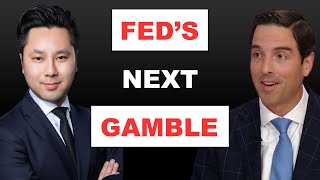
This The David Lin Report video, published October 29, 2025, features Thomas Hoenig discussing AI-SECTOR, KRE. 2 trade ideas extracted by AI with direction and confidence scoring.
Speakers: Thomas Hoenig · Tickers: AI-SECTOR, KRE