DE TELEBRAS À STARLINK: A HISTÓRIA DA TELECOMUNICAÇÃO NO BRASIL | Market Makers #373
Summary
The episode explores the evolution of Brazil's telecom sector from the Telebras monopoly to today's highly fragmented broadband market with 19,000 ISPs. Carlos Baigorri, president of Anatel, explains how deregulation spurred competition, the ongoing consolidation wave, the impact of Starlink, the 5G rollout, and the potential for data centers. He also shares cautionary tales about Oi and the unresolved Fistel tax litigation affecting large telcos.
- Brazil went from telephone scarcity to the world's densest fiber network through market liberalization.
- The broadband market is extremely fragmented with 19,000 ISPs; consolidation is expected, triggered by Claro's acquisition of Desktop.
- 5G rollout is world-class, but mobile remains concentrated among three large operators, with regional entrants facing heavy capex.
- Starlink has become Brazil's largest non-US market, solving connectivity in remote areas, complementing fiber rather than competing.
- Oi serves as a lesson in regulatory burden, mismanagement, and value-trap investing; Baigorri says it never had a chance.
- The Fistel tax dispute created a 15 billion real contingent liability for Vivo and Tim, with a binary outcome that could significantly affect their stocks.
- Data centers represent an opportunity for Brazil, but high taxes and energy costs hinder competitiveness versus neighbors like Paraguay.
- The 'posteiro' proposal aims to solve the chaotic cable management on utility poles by creating a dedicated economic agent.
Ideas
Up Next


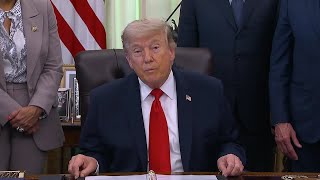


This Market Makers video, published June 11, 2026, features Manuel Baigorri discussing BRST3.SA, DESK3.SA, FIQE3.SA, OIBR3.SA. 2 trade ideas extracted by AI with direction and confidence scoring.
Speakers: Manuel Baigorri · Tickers: BRST3.SA, DESK3.SA, FIQE3.SA, OIBR3.SA